
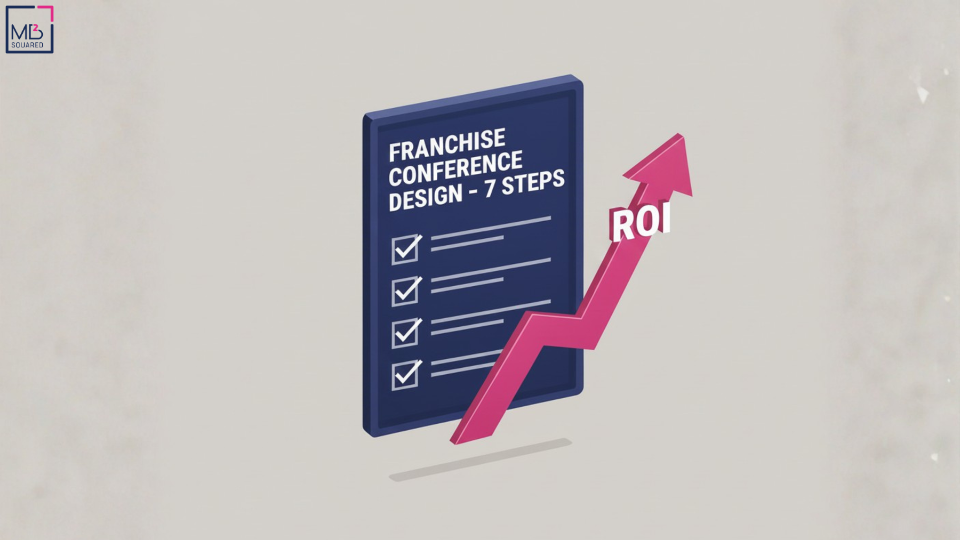
Too often, franchise and retail networks still treat their sales conferences as mere annual gatherings—a ‘rinse and repeat’ exercise in selecting a theme and booking speakers, missing the critical opportunity to drive network-wide commitment and standardised excellence. This approach is fundamentally flawed and costs the entire franchise network measurable return on investment (ROI). Successful sales conference design is, in fact, a strategic discipline—a controlled methodology that systematically dictates every attendee touchpoint to drive measurable business outcomes like increased quarterly sales and strengthened franchisee commitment.
At MB Squared, we know that true Creative Event Design is not simply styling; it’s the meticulous, strategic “build and flow” of your franchise sales conference. We don’t guess at success; we engineer it.
The challenge for franchise event strategy is moving from an aesthetic focus to a strategic framework that can deliver tangible ROI. This guide outlines the seven essential strategic steps required to create high-impact sales conferences that actively manipulate, stimulate, excites, moves, and empowers your franchisees and sales leaders—the platform that drives conversion and ensures maximum ROI for your network.
Step 1: Define the Single Strategic Intent (The Franchise Sales Conference 'Why')
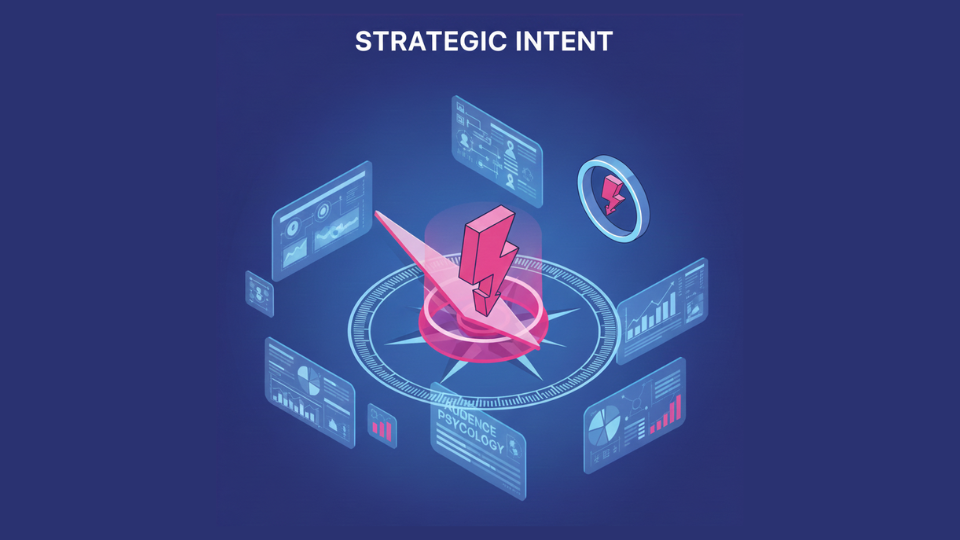
Before you glance at a venue, your design framework must establish the single, critical business goal and deeply understand the audience psychology of your independent franchisees and sales teams.
Actionable Focus:
- Define the Desired Action: What is the single, critical action the attendee must take after the franchise sales conference? This must move past mere attendance to actionable results: Do you want them to commit to new sales targets, adopt a new operational protocol, or increase network collaboration and adherence to brand standards?
- Uncover the Deepest Motivation: A successful sales conference must resonate on a personal level, focusing on owner ROI. You need a deep dive into franchisee preferences and aspirations to understand what truly motivates them—whether it’s competitive recognition, operational excellence, or the clear pathway to greater profitability.
When people are financially invested, they want a return. When people are emotionally invested, they want to contribute.”
Step 2: Engineer The Compelling Narrative and Flow
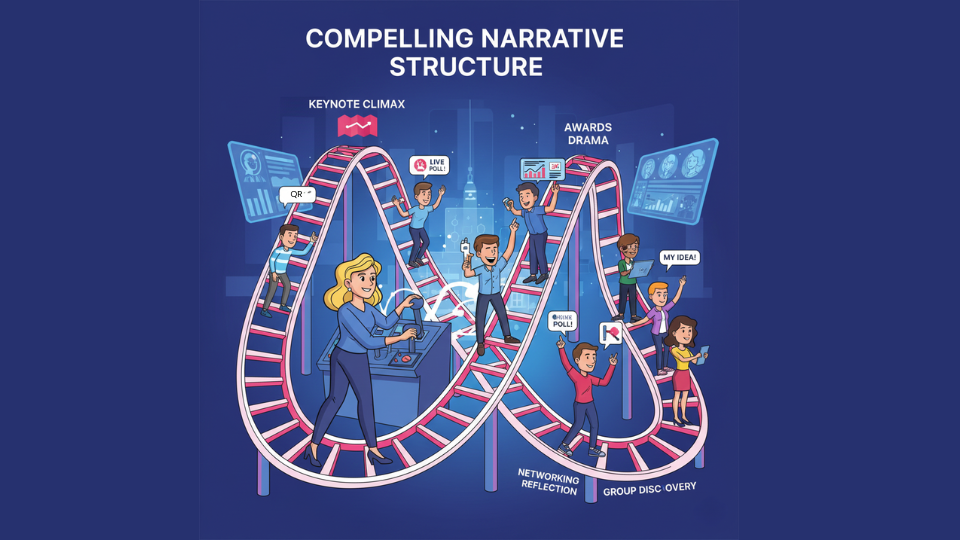
Once the desired action is defined, the design demands you transform your content into a compelling storyline. This strategic build creates a conscious emotional journey for the sales leader, ensuring they are engaged and receptive to the new strategic direction.
Actionable Focus:
- Structure for Emotional Peaks: Every franchise event should tell a story, building to a climax through planned peaks (high-engagement moments like awards or keynote surprises) and troughs (reflection or networking).
- Move Beyond Passive Formats: The flow must foster collaboration and drive buy-in. Incorporate interactive elements—strategic use of live polling, peer-to-peer workshops, and structured group activities—to ensure every franchisee feels like an active part of the story, essential for driving adoption.
Connect the dots between individual roles and the goals of the organisation. When people see that connection, they get a lot of energy out of work. They feel the importance, dignity, and meaning in their job.”
— Ken Blanchard and Scott Blanchard, Leadership Development Experts
Step 3: Integrate Budget as a Strategic Design Tool
In the Strategic Event Design Framework, the budget for your retail leadership summit is not a static limit; it is an active design tool. Financial planning must be integrated at the start to ensure every dollar directly supports the defined sales targets (Step 1).
Actionable Focus:
- Implement Zero-Based Budgeting (ZBB) Mentality: ZBB requires you to justify every single expenditure based on how effectively it will drive the desired attendee action and ROI. If an item doesn’t directly contribute to the new sales targets, it is eliminated.
- Allocate Based on Priority: The largest budget portion should be assigned to the elements that create the most significant emotional peaks and facilitate the critical Desired Action, protecting the high-value aspects of the sales conference.
- Cost-Benefit Analysis of Outsourcing: An event management partner constantly performs real-time cost-benefit analyses, using their volume buying power and networks to secure better rates and ensure your budget is managed by experts focused on protecting your financial success.
Step 4: Strategic Risk Mitigation and Brand Consistency
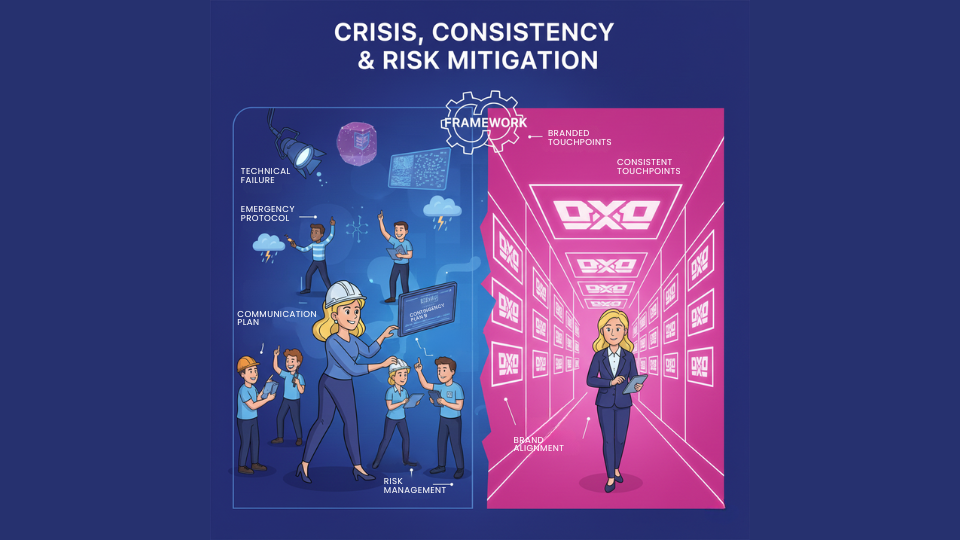
The most professional event designs build failure mitigation into the concept itself. This is the cornerstone that ensures your strategic success isn’t derailed by the unpredictable.
Actionable Focus:
- Comprehensive Crisis Preparedness: A robust design framework for a large franchise sales conference must include rigorous risk assessment and detailed contingency planning for every scenario, protecting your brand’s reputation with franchisees.
- Guarantee Consistency: The design, branding, and messaging must be perfectly consistent across every touchpoint. Consistent use of sales goals and core values enhances the thematic coherence of the entire experience, driving clarity and brand alignment.
“Strategy without tactics is the slowest route to victory. Tactics without strategy is the noise before defeat.”
Step 5: Secure Expert Oversight for Strategic Design Integrity
Successfully developing and maintaining this strategic framework for a franchise sales conference requires specialised expertise, deep psychological insight, and unbiased oversight. Attempting to manage the complexities of audience psychology, narrative structuring, and budget allocation (Steps 1-4) alone often leads to conceptual flaws and compromises your measurable ROI before implementation even begins.
Actionable Focus:
- Unbiased Design Integrity: An external expert ensures the event concept remains rigidly tied to the Strategic Intent, resisting internal pressure or aesthetic distractions that dilute the core business message—a common risk in large retail and franchise systems.
- Rapid Strategic Alignment: Professional event managers have the experience to quickly align complex elements—like budget constraints (Step 3) and risk mitigation strategies (Step 4)—during the initial design phase. Their expertise prevents conceptual flaws that would be costly or impossible to fix later.
Step 6: Set Realistic Goals and Manage Expectations
Achieving the defined Strategic Intent requires aligning the design vision with reality. An experienced event partner knows that setting realistic, aligned expectations is the key to stakeholder satisfaction and protecting guaranteed ROI, especially when dealing with independent franchise owners.
Actionable Focus:
- Define Achievable Metrics: An external event team will work with you to set achievable goals based on the timeframe, ensuring stakeholders understand precisely what’s possible in terms of adoption rates or pipeline growth following the sales conference.
- Facilitate Alignment: Your event partner will facilitate open conversations with franchisees and stakeholders to ensure everyone is aligned with the new, realistic metrics. This focuses attention on essential elements that will deliver the most value and drive the necessary buy-in.
Step 7: Close the Continuous Feedback Loop
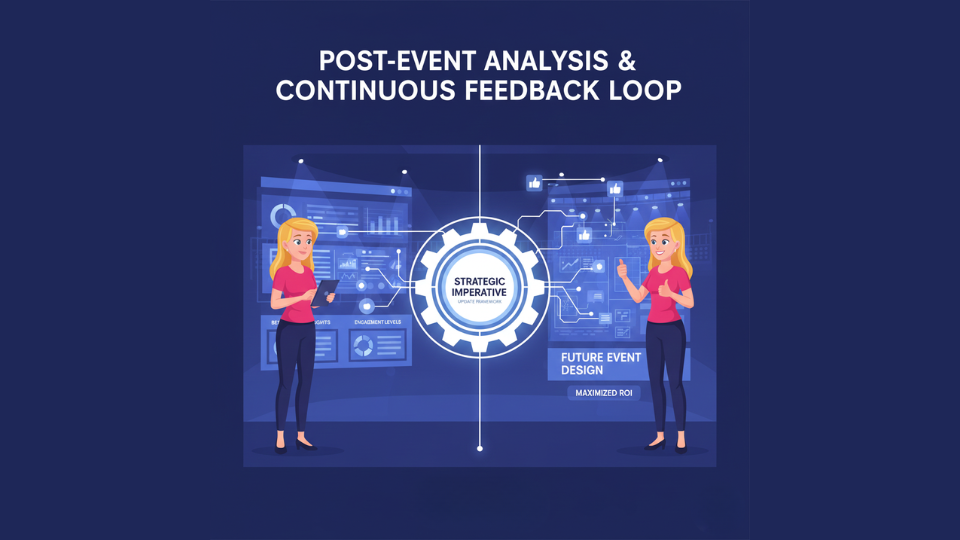
The strategic design framework does not conclude when the final delegate departs. This final, critical step is what dictates the guaranteed success of your next franchise sales conference.
Actionable Focus:
- Data-Driven Evaluation: You must mandate a systematic approach to post-event analysis. This involves leveraging advanced reporting to analyse behavioral insights, engagement levels, and overall attendee satisfaction against your Strategic Intent (Step 1).
- The Strategic Imperative: Data gathered from polls and surveys must be used to refine and update the Event Design Framework for future sales conferences (SKOs, or Sales Kick-Offs). Ignoring this feedback leads to a costly spiral of resource inefficiency and diminished loyalty among your franchise owners.
Conclusion: Stop Styling, Start Engineering Your Sales Success
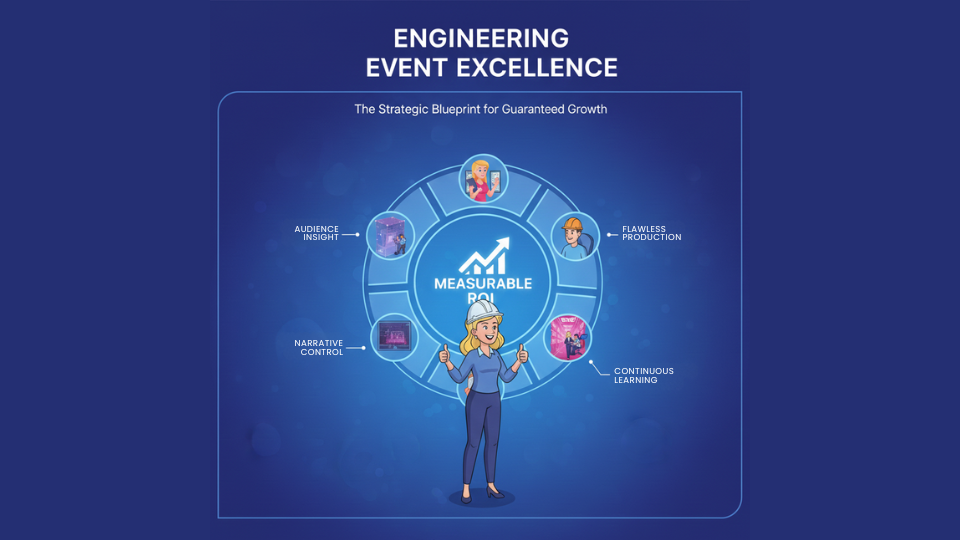
The Strategic Event Design Framework is the blueprint for guaranteed event excellence. It replaces guesswork with strategic discipline, transforming your annual franchise sales conference from a simple expense into a powerful, measurable engine for business growth across your entire franchise network.
By moving beyond aesthetic styling and embracing this seven-step strategic methodology—driven by deep audience insight, narrative control, budget efficiency, expert oversight, and continuous learning—you ensure your sales conference consistently delivers maximum ROI and leaves a lasting, positive impression on your sales leaders.
FAQs
Why is “styling” considered a flawed approach for a franchise sales conference? Styling is purely aesthetic and subjective. For a franchise network, an event must be a strategic tool. Focusing only on themes and decor misses the opportunity to engineer specific business outcomes, such as securing franchisee buy-in for new sales targets or operational changes.
How does the “Audience Why” differ for franchisees compared to standard employees? Franchisees are independent business owners, not just employees. Their “Why” is tied directly to their personal ROI and profitability. The design framework must address their unique motivations—competitive recognition, operational ease, and financial gain—to ensure they feel emotionally and financially invested in the network’s goals.
What is Zero-Based Budgeting (ZBB) in the context of event design? ZBB means every dollar spent must be justified by its ability to drive a specific strategic action. Instead of repeating last year’s budget, we evaluate every line item: if a cost doesn’t directly contribute to the desired franchisee action or network ROI, it is eliminated or reallocated to a higher-impact area.
Why is a “Compelling Narrative” essential for driving sales results? A narrative structures the event as an emotional journey rather than a list of presentations. By engineering “peaks” (high-energy awards or reveals) and “troughs” (reflection and networking), you keep sales leaders engaged and more receptive to adopting new strategies or committing to higher targets.
Why do I need “Expert Oversight” if I have an internal marketing or events team? Internal teams often face pressure to please stakeholders or get distracted by aesthetic preferences. An external expert provides unbiased design integrity, ensuring the framework remains strictly aligned with the Strategic Intent. They also bring specialized knowledge in audience psychology and complex budget management that internal teams may lack.
How does the “Continuous Feedback Loop” protect future ROI? The loop ensures that you aren’t guessing what worked. By analyzing behavioral data and attendee satisfaction against your original goals, you can refine the framework for the next conference. This prevents the “costly spiral” of repeating ineffective strategies and ensures each event is more successful than the last.