
In the world of event planning, unpredictability is the only certainty. Whether it’s a technical glitch, an unexpected weather change, or a last-minute cancellation, every event professional knows that flawless execution isn’t about avoiding problems—it’s about mastering them.
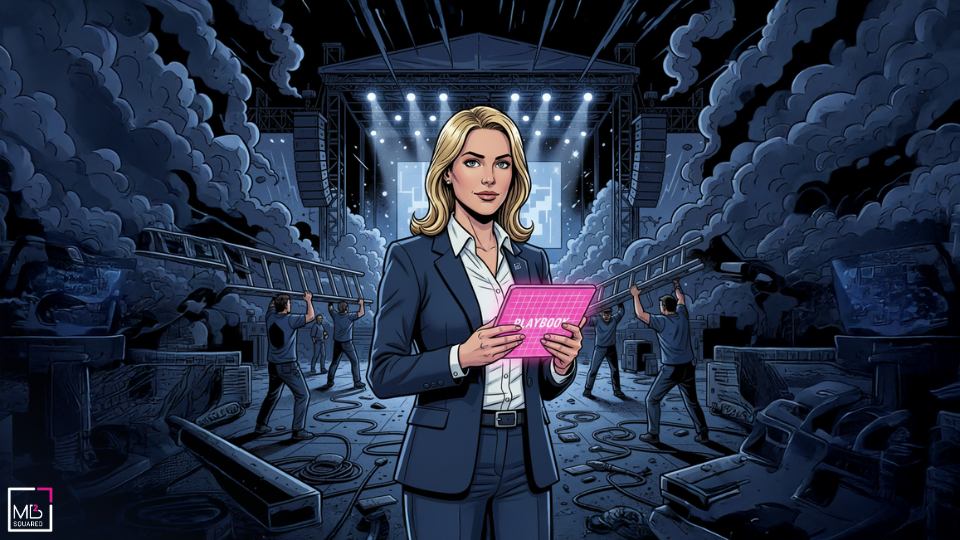
The difference between a successful event and a total disaster often boils down to a single question: Did you have an Event Manager with a playbook, or did you rely on luck? The Event Manager is your ultimate problem solver—the strategic asset who translates chaos into calm.
For us at MB Squared, our Event Management capability is defined by our expertise in navigating the unpredictable. We’re here to join the dots, “from go to woah” , ensuring your event can withstand the bumps along the way.
This article unveils the core elements of the Event Manager’s Playbook—the non-negotiable strategies, mindsets, and skills required to turn crisis into opportunity.
Chapter 1: The Mindset - Strategic Foresight and Agility
The Event Manager’s work begins long before the crisis strikes. It starts with a mindset focused on anticipation, not reaction.
1. Mastering the Unexpected with Strategic Planning
The cornerstone of the playbook is a comprehensive event management plan. This plan is your roadmap, guiding you through logistics, vendor management, and venue selection. The most critical section? Crisis management. It’s about anticipating the worst while striving for the best.
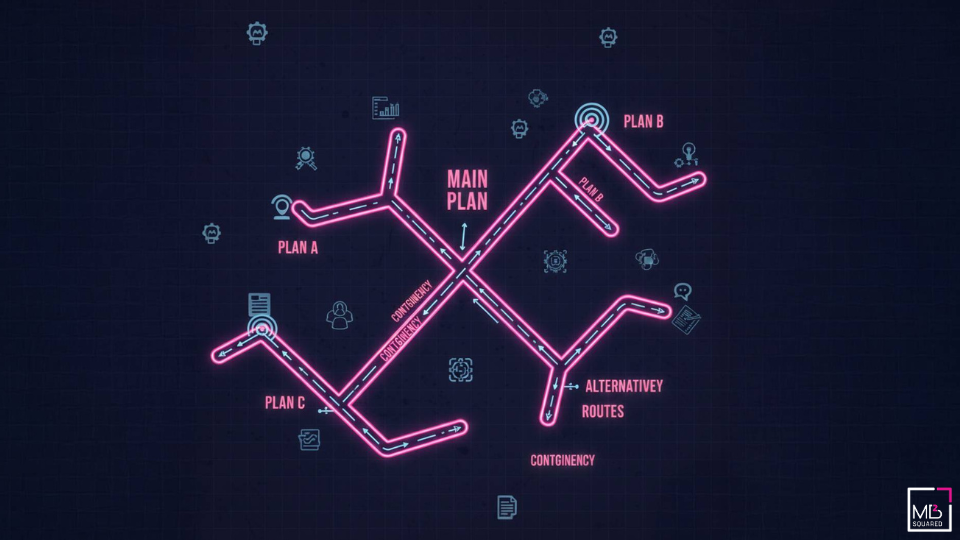
2. The Power of Plan B (and C)
Effective crisis management involves identifying potential risks—from natural disasters and security breaches to technical failures—and developing strategies to mitigate them. For every risk identified, a contingency plan must be developed. This could include alternative venues, backup technology, or additional security measures. The goal is simple: have a Plan B (and even a Plan C) for every conceivable scenario.
“An effective crisis management plan anticipates the worst while striving for the best, ensuring that your event can withstand the bumps along the way.”
3. The Human Filter: Why AI Can’t Solve Real Problems
While technology is an invaluable assistant for managing tasks and data, it fundamentally cannot problem-solve in real-time or handle the inevitable unexpected crisis. AI is excellent at pattern recognition and alerting you to potential issues, but it lacks the emotional intelligence (EQ), critical thinking, and ethical judgement needed to make complex decisions under pressure.
If a major medical emergency occurs in the audience during a critical session—a sudden collapse or a seizure—AI can detect the anomaly and alert emergency services, but it cannot coordinate the multi-faceted, human-centric response. Only the Event Manager can immediately initiate the nuanced sequence of life-saving actions: they must swiftly designate a team member to attend the patient (directing them to the nearest AED), simultaneously communicate with the venue’s security and paramedics, discreetly pause the speaker or pivot the audience’s attention away from the incident without causing mass panic, and cordon off the area for privacy—all while maintaining overall control of the room. The Event Manager’s human empathy, ethical judgment, and ability to command complex operational pivots on the fly are essential for effective risk mitigation, far exceeding any algorithmic capacity.
Chapter 2: The Toolkit - Communication, Flow, and Control
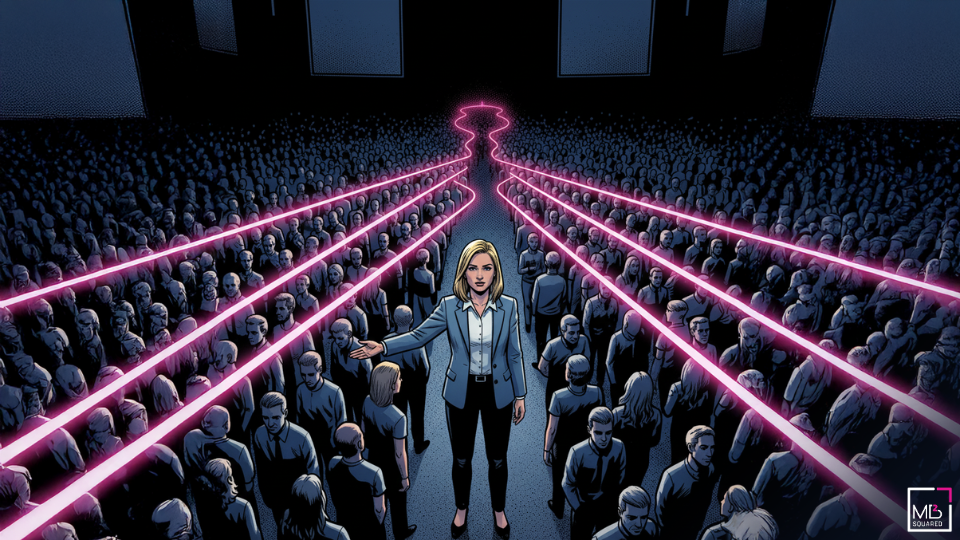
The Event Manager’s Toolkit contains essential, high-impact strategies that bring order to chaos and maintain delegate safety and satisfaction.
4. Clear and Timely Communication
In a crisis, clear and timely communication is non-negotiable. The playbook requires a detailed communication strategy, outlining exactly how information will be disseminated among the team, attendees, vendors, and the media. Designate a single spokesperson to ensure consistent messaging, and decide on communication channels (social media, apps, email) before the unexpected happens.
“Words should be used as tools of communication and not as a substitute for action.”
5. Master of Crowd Dynamics and Flow
A crisis can start with simple inefficiency. The Event Manager understands that neglecting crowd dynamics—the delegate flow and movement patterns—is a serious oversight that can lead to chaotic, disengaged attendees. The playbook ensures:
- Anticipating Patterns: Planning for sudden influxes with sufficient staffing and queue infrastructure.
- Transition Management: Factoring in the time, doors, and access points needed for seamless transitions between sessions to avoid costly bottlenecks.
- Technology as a Guide: Leveraging tools like event apps for real-time updates and interactive maps to guide attendees efficiently and proactively address congestion.
Chapter 3: The Execution - Collaboration and Learning

The final chapters of the playbook are dedicated to the human element: ensuring the team is prepared and that every problem solved contributes to future success.
6. Onsite Briefing and Team Readiness
No plan works if the team isn’t versed in it. Every onsite staff member, venue team, and contracted service must be well-versed in the crisis management plan. A dedicated briefing session onsite should be held in the weeks prior to the event to ensure that everyone knows their specific role and can act swiftly and efficiently to resolve issues as they arise.
7. Post-Event Evaluation and Adaptation
The Event Manager never repeats a mistake. After the event, the playbook mandates a rigorous evaluation of the crisis management strategy. What worked? What could be improved? These insights are used to adapt and update the event management plan for future events, ensuring your organisation is always prepared for the unexpected. This commitment to continuous improvement is the difference between surviving a problem and strategically learning from it.
“Adaptation seems to be, to a substantial extent, a process of reallocating your attention.”
Conclusion: The Ultimate Event Insurance
Event planning without the Event Manager’s Playbook is a gamble. Relying on an inexperienced internal team to improvise during a high-stakes crisis is not just a risk to your reputation, but a direct threat to your event’s financial viability.
The Event Manager is your ultimate problem solver—a strategic asset who uses foresight, discipline, and detailed planning to ensure your event not only survives the unexpected but thrives, ensuring safety, smooth execution, and maximised ROI.
Master the Unexpected: Unlock Your Strategic Partner Guide
The blog you just finished exposes a core truth: the difference between a successful event and a total disaster often comes down to the Event Manager’s Playbook—a system built on foresight and agility. Success isn’t about luck; it’s about strategic, proactive problem-solving.
Want to ensure your event investment is protected against the inevitable unexpected challenge? We’ve got you covered.
Our in-depth guide, “From In-House to Outsource: A Corporate Professional’s Guide to Strategic Event Partnerships,” goes far beyond the basics of the RFP. This resource will give you insider knowledge on how to select a strategic event partner capable of:
- Mastering Agility: Testing their real-time problem-solving skills and confirming their contingency planning for every conceivable scenario.
- Vetting Experience: Assessing their expertise with similar events and their ability to stay ahead of industry trends and compliance requirements.
- Ensuring Team Readiness: Avoiding the bait-and-switch trap and guaranteeing you are partnering with experienced individuals who thrive under pressure.
Uncovering these crucial elements turns a simple vendor relationship into a true strategic partnership, ensuring your event not only survives the unexpected but thrives. Download the guide today to secure your ultimate event insurance and protect your professional reputation.

FAQs
Why is crisis management the most critical part of the Event Manager’s playbook? Crisis management is crucial because it prepares organisers for unexpected challenges, identifying potential risks and providing strategies to quickly address and resolve them, minimising the impact on the event and its attendees.
What is a contingency plan, and how many should an Event Manager prepare? A contingency plan involves identifying potential risks and developing alternative strategies for each scenario. The Event Manager prepares a Plan B (and even a Plan C) for every conceivable scenario, such as backup venues, suppliers, or technology solutions.
How does the Event Manager’s role differ from relying on AI during a crisis? AI can alert the team to issues, but the Event Manager provides the essential human element—critical thinking, intuition, and real-time adaptability—to make nuanced decisions and physically solve complex problems under pressure, which AI cannot do.
How does controlling crowd dynamics relate to problem solving? Effective crowd management is a proactive problem-solving strategy that prevents bottlenecks, chaos, and safety issues, ensuring the safety and comfort of attendees. It allows for smoother event flow and a better attendee experience.
Why are team briefings essential for problem solving? Team briefings ensure that every member, including onsite staff and contracted services, knows their specific role and responsibilities in a crisis. This ensures a swift, coordinated, and efficient response to unexpected situations.
Why should I hire an Event Manager for problem-solving instead of relying on my venue? While venues manage their own site safety, the Event Manager’s role is to manage the entire event blueprint and all external and internal factors, including supplier coordination, delegate flow, content transitions, and comprehensive communication—all of which are critical elements of the Problem Solver’s Playbook.