
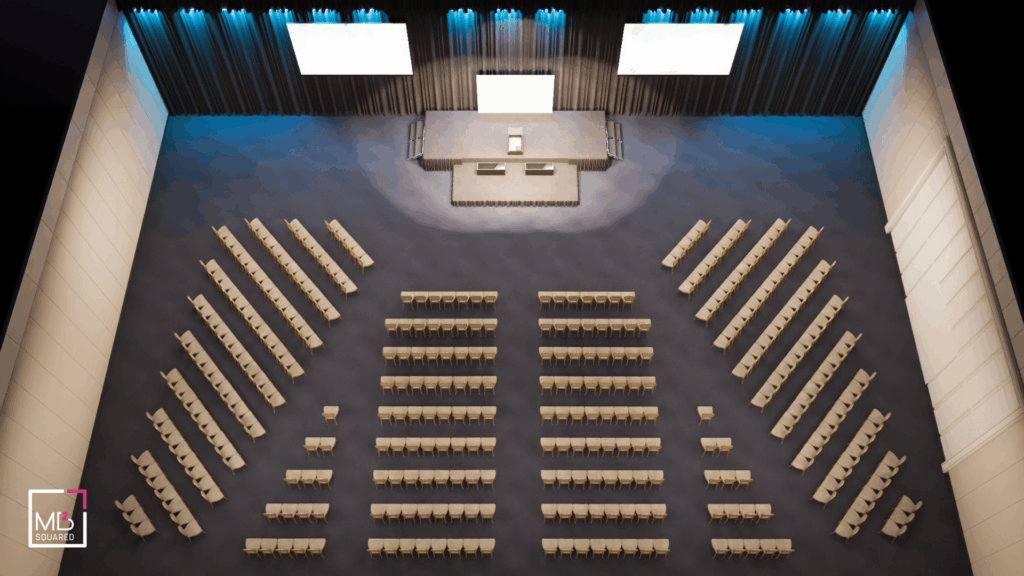
There is a comfortable rhythm to planning an annual conference: copy last year’s agenda, update the dates, and rebook the venue.
This is the “Rinse & Repeat” formula. While it feels efficient, it is steadily eroding your Return on Investment (ROI).
Predictability is a commercial liability. Whether you are running a National Franchise Conference or an Annual Corporate Summit, when attendees know exactly what to expect, they tune out. In short: if your agenda is predictable, attendance becomes optional.
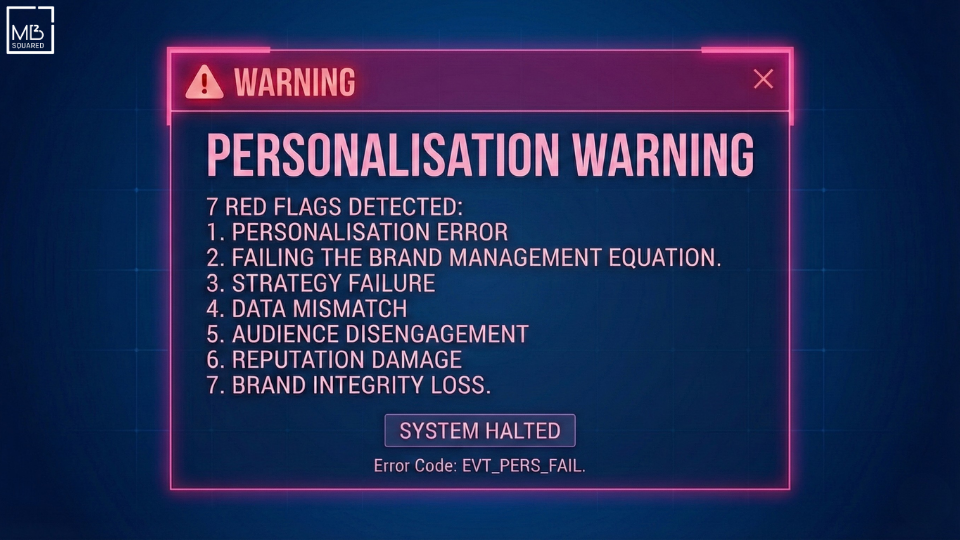
At MB Squared, we know the “safe” choice is actually your greatest risk. We approach summits through Event Engineering—identifying the exact points where your strategy is leaking value. Here are the red flags indicating your current event format is failing, and how to fix it.
Red Flag 1: Failing to Justify the Disruption
Your attendees are incredibly busy. They simply do not have the hours to abandon their desks for a recycled experience. When an agenda looks exactly like last year’s, you haven’t proven that the event is worth the disruption to their schedule.
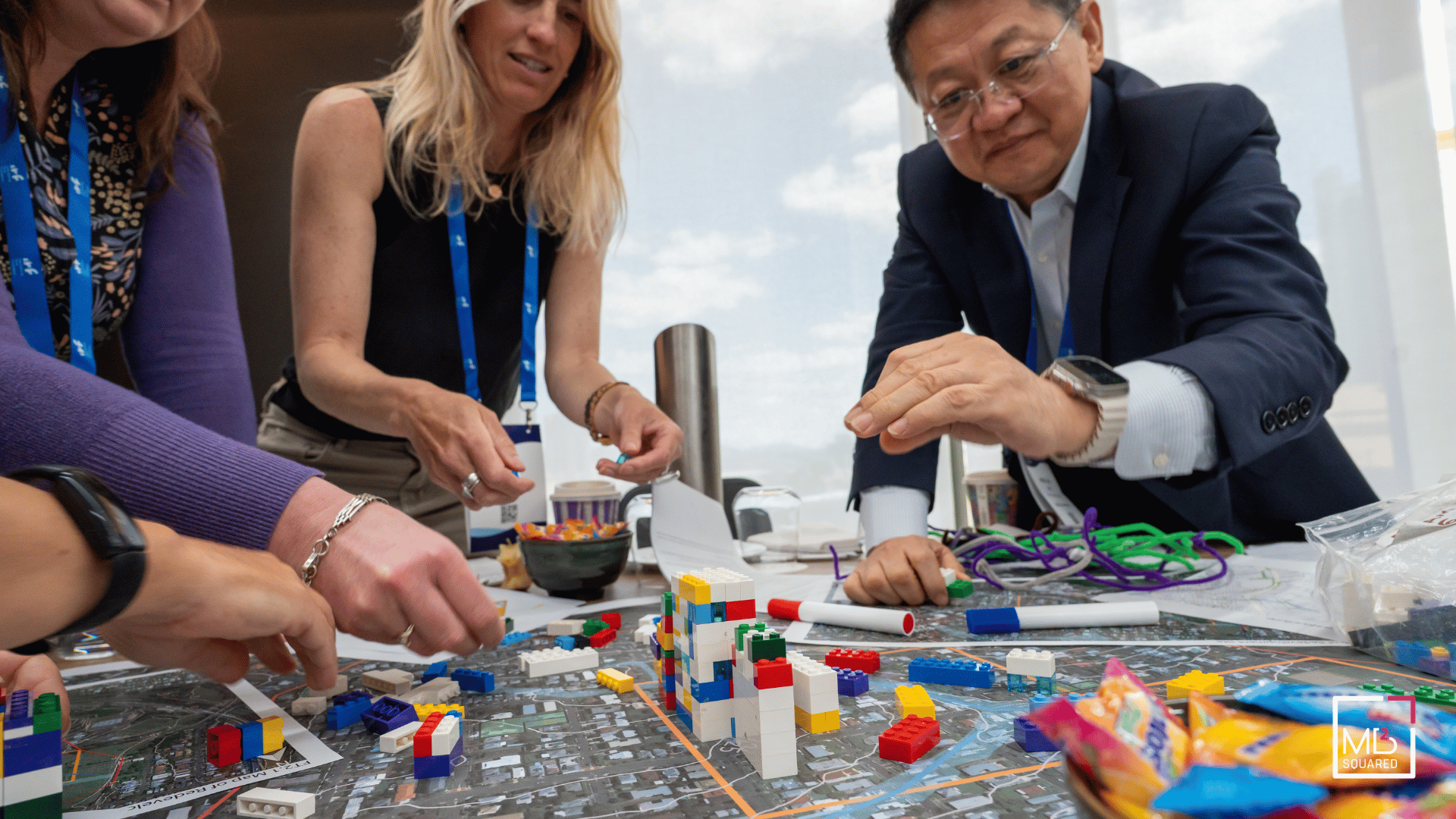
- The Engineering: We construct agendas rooted in unscripted value. By replacing standard keynotes with interactive workshops, we engineer an environment where the cost of missing out is higher than the cost of staying at the office.
Red Flag 2: The Onset of Autopilot
When the format is identical year-over-year, the human brain goes into autopilot. Attendees physically show up, but mentally, they disconnect. This renders your keynotes and core messaging entirely ineffective.
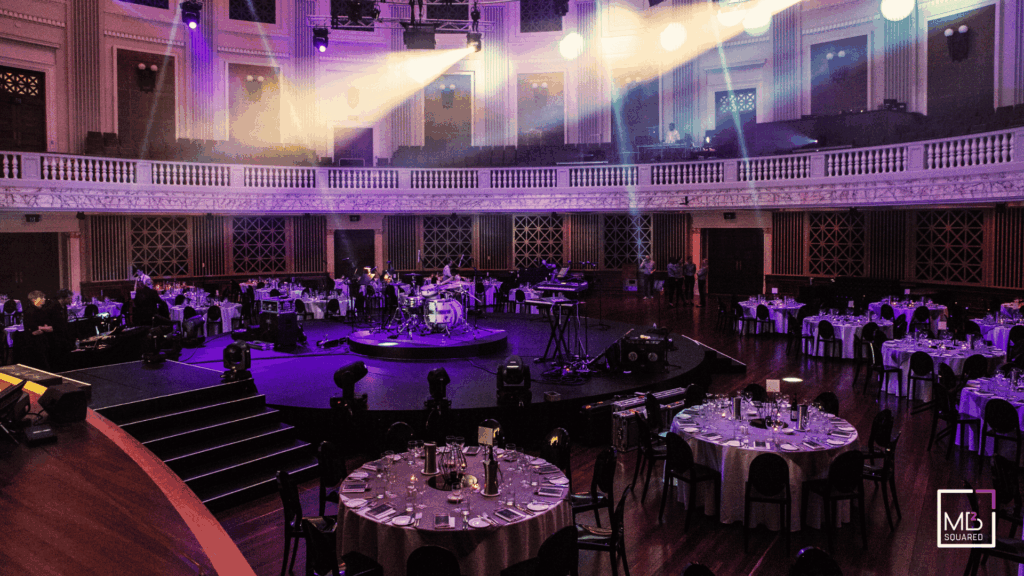
- The Engineering: We combat predictable agendas by engineering deliberate peaks and troughs in the narrative. We proactively shift the room’s energy—adjusting the pacing, layout, or lighting right when the data tells us attention is about to wane.
The greatest danger in times of turbulence is not the turbulence; it is to act with yesterday’s logic.”
Red Flag 3: At Capacity Internal Teams
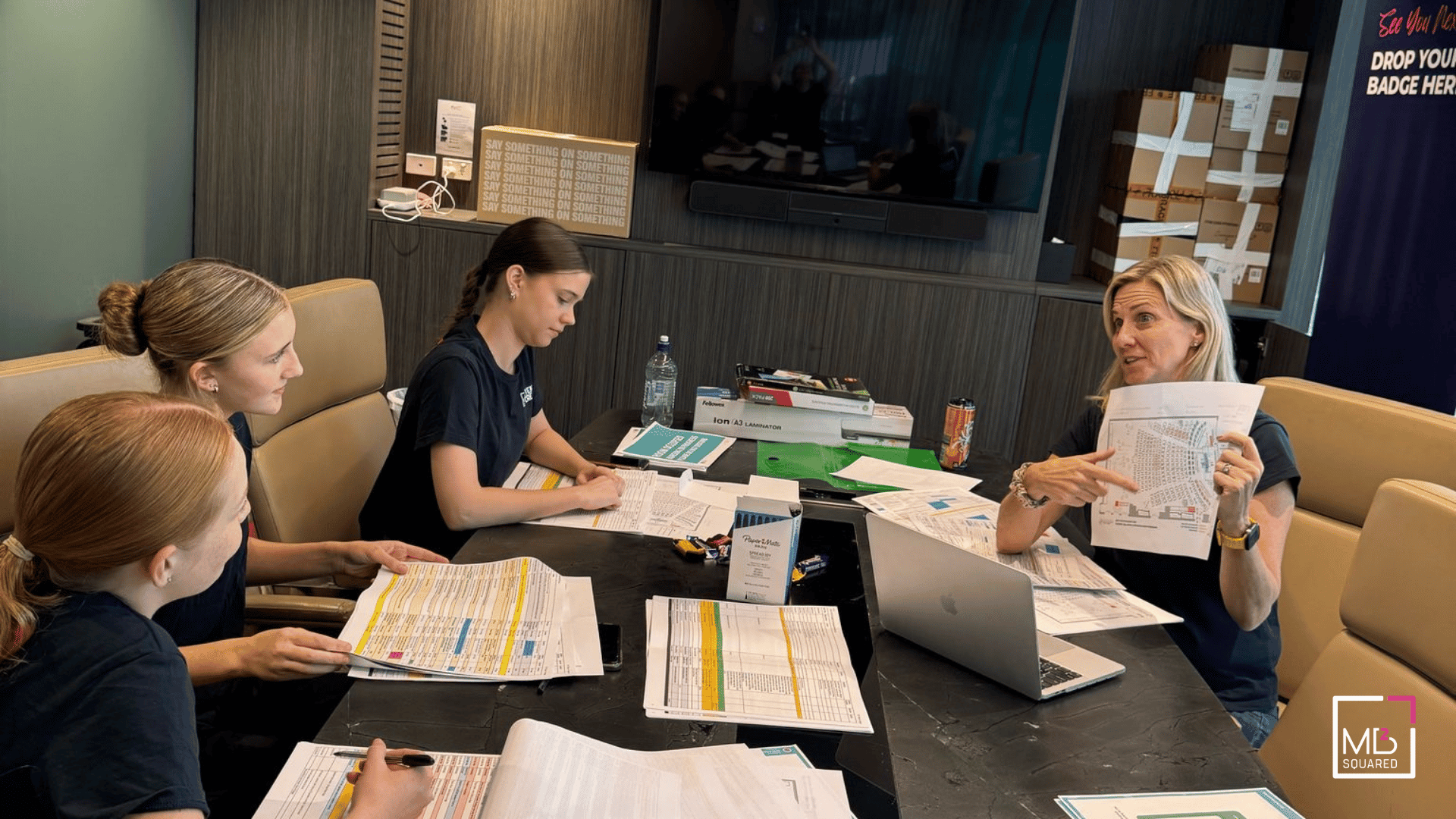
The main reason companies fall into the “Rinse & Repeat” trap is that internal communications, membership and marketing teams are stretched too thin. They are already stretched to the max by their day jobs doing BAU (business as usual) to build a new concept from scratch, so copy-paste planning becomes a survival mechanism.
- The Engineering: MB Squared absorbs that operational friction. We manage the heavy lifting and creative execution, allowing your internal leaders to focus on the overarching strategy and stakeholder relationships.
Red Flag 4: Stagnant Sponsorship Revenue
Sponsors invest in buzz and engagement. If your format is identical to last year’s, you have zero leverage to increase your sponsorship rates. Predictable events guarantee static revenue because they fail to offer the high-impact visibility modern sponsors demand.
- The Engineering: We design activation zones that force attendee interaction. By shifting from passive booths to immersive environments, we create premium, justifiable inventory that sponsors actually want to buy.
People don’t buy what you do; they buy why you do it.”
Red Flag 5: The 24-Hour Drop-Off
The ultimate failure of a safe event is that engagement dies the day after the closing remarks. Without a resonant anchor, the event is quickly forgotten, and your ROI flatlines completely.
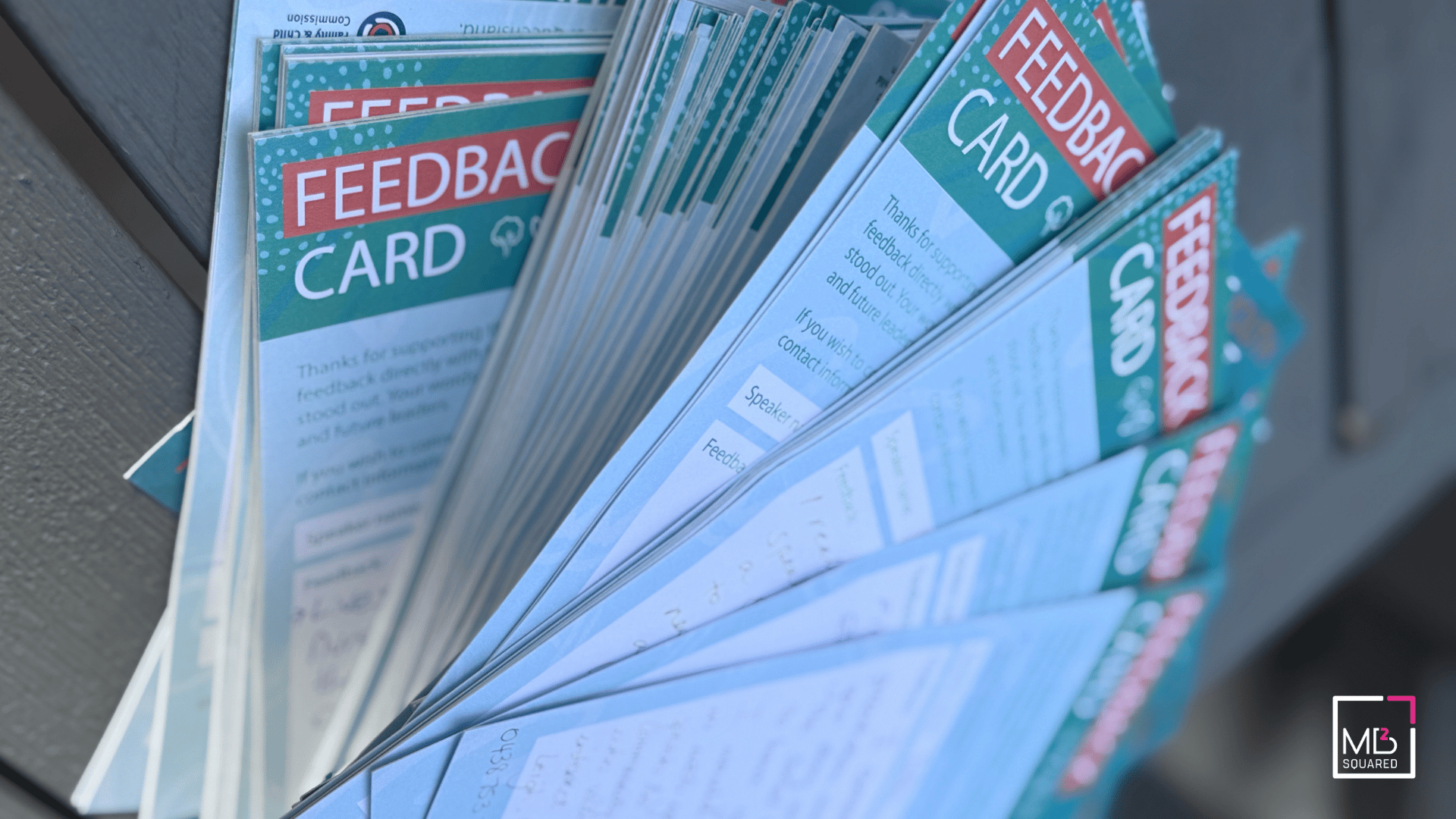
- The Engineering: We treat post-event analytics as the blueprint for the next design. By engineering continuous feedback loops and post-summit touchpoints, we extend the lifecycle of your event from a single weekend to a year-long strategic advantage.
Stop Copying, Start Engineering
The “Rinse & Repeat” formula is more than just a safe planning habit; it is a direct threat to your event’s commercial viability. When you recycle the same agenda, venue, and format year after year, you systematically diminish attendee loyalty, stifle your sponsorship revenue, and guarantee that your core strategic message will be forgotten the moment the audience walks out the door.
To compete in the modern corporate landscape, an event cannot just be a recurring date on the calendar—it must be engineered for measurable business outcomes. This means proactively managing the room’s energy, building tangible value that justifies your attendees’ time away from their desks, and creating dynamic environments that actively serve your overarching corporate strategy.
True event design requires shifting your mindset from basic logistical delivery to continuous innovation. If your internal teams are too overworked to deliver this level of strategic execution, it is time to rethink your approach. Break the mould, challenge convention, and treat your summit like the premium business asset it is.
Frequently Asked Questions (FAQs)
Why do attendees tune out of predictable events? When attendees know exactly what is coming next, their brains disengage. This autopilot mode means they are physically in the room, but your keynotes and strategic messaging are entirely lost on them.
How do you justify taking attendees away from their desks? Modern professionals are incredibly time-poor. You must prove a high threshold of value to convince them to leave their daily operations. If your event looks like last year’s, it fails to justify the time away, resulting in poor attendance and lower engagement.
Why do internal teams default to copy-paste planning? This happens when internal staff are forced to manage complex corporate events on top of their actual jobs. Exhausted and lacking the hours to innovate, they default to safe, recycled event formats just to get the job done.
What is proactive event management? Instead of reacting to a room that has already lost energy, we predict when fatigue will hit and proactively change the environment—shifting lighting, deploying catering, or altering the format—to instantly refresh the audience.