

Every corporate event manager diligently sends out a post-event survey. It’s a necessary box to tick. But here’s a controversial truth: The survey itself is useless if you treat it as a final step, rather than the first step in your next strategic cycle.
When feedback is gathered but ignored, the event team fails to connect the event’s performance to the long-term health of the business. You aren’t just missing an opportunity; you are accumulating a portfolio of hidden costs—from resource inefficiency to damaged reputation—that actively erode your next event’s ROI.
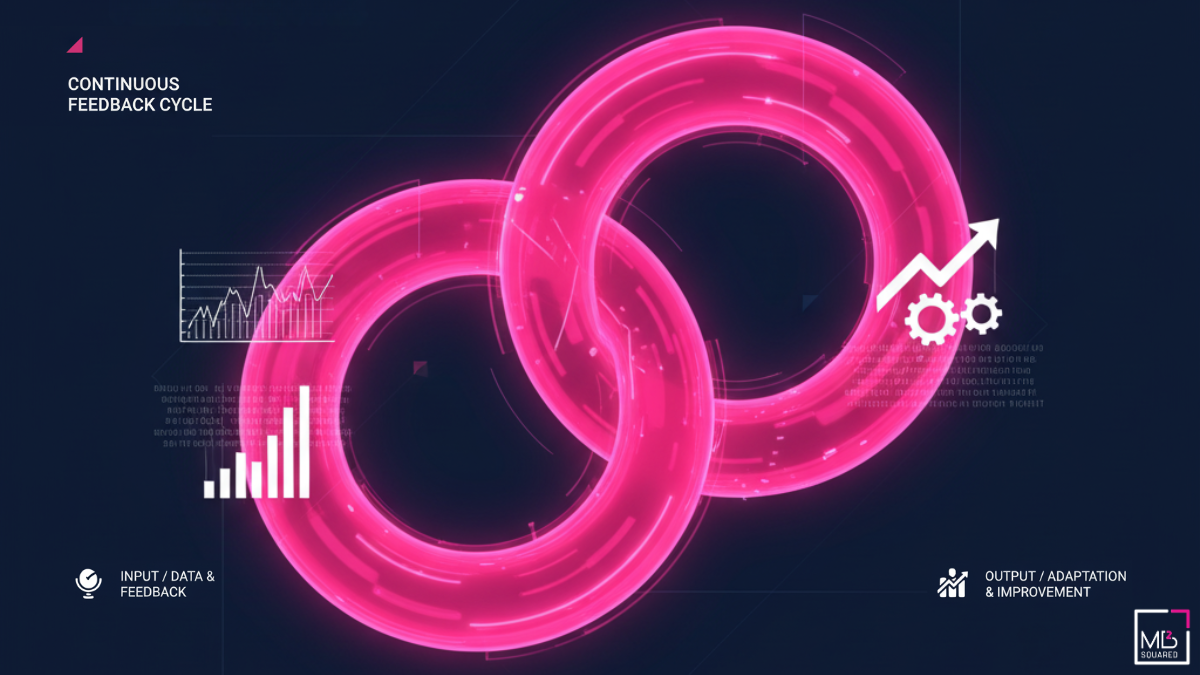
At MB Squared, we know that effective event management involves a continuous feedback loop where data from each event is used to refine and improve future strategies. We turn that data into actionable insights.
This article exposes the six hidden costs of ignoring attendee feedback and explains why transforming that data into action is the only way to safeguard your event investment.
Hidden Cost 1: The Spiral of Resource Inefficiency
The most immediate cost of ignored feedback is wasting time and money on elements attendees actively dislike or find unnecessary.
Repeating Poor Investments
If last year’s feedback clearly showed that a particular session format or a costly event app feature was under-utilised—but you repeat the investment this year—you have essentially thrown budget into a known black hole. Advanced reporting helps identify under-utilised resources and reallocate them to high-impact areas, ensuring efficient use of budget and maximising ROI. Ignoring the data ensures this inefficiency is perpetuated.

Mismanaged Budget Allocation
Feedback is crucial for predictive analytics, helping you forecast which areas of the event will require more resources, such as staffing or technological support. Ignoring this intel forces you to rely on guesswork, which leads to budget being misspent—either over-allocating to low-impact areas or under-allocating to critical points like registration or high speed Wi-Fi, resulting in costly, last-minute fixes.
Hidden Cost 2: Diminished Attendee Loyalty and Future Revenue
Events are an investment in Return on Relationships (ROR). When attendees take the time to offer feedback, they expect to be heard. Ignoring it is a direct message that their time and opinions don’t matter.
The Loyalty Erosion
When an attendee returns to your next event and finds the same flaws they pointed out (e.g., long queue times, poor speaker engagement, confusing wayfinding), their loyalty is irrevocably damaged. They will disengage, attend fewer sessions, and ultimately seek out competitors who demonstrate that they value the attendee experience.

Stifling Targeted Sponsorship
Detailed attendee feedback and behavioural data allow you to create highly targeted sponsorship packages. By understanding which engagement points or features received the highest praise, you can offer sponsors valuable, high-traffic visibility and engagement opportunities, leading to higher sponsorship revenues. Ignoring feedback means you’re relying on generic offerings, leaving valuable revenue opportunities untapped.
“Implement a continuous feedback loop where data from each event is used to refine and improve future events. This approach ensures that each event builds on the success of previous ones, driving continuous improvement.”
Hidden Cost 3: Compromised Strategic Decision-Making
Event reporting isn’t just a basic tool; it’s a strategic asset. When you sideline attendee insights, you fundamentally limit your ability to make informed decisions for long-term growth.
Operating in a Blind Spot
Traditional event reports often focus on surface-level metrics that don’t provide actionable insights. Ignoring rich qualitative and quantitative feedback traps you in a strategic blind spot, preventing you from uncovering the underlying patterns and trends that truly drive event success.

Failure to Inform Future Strategy
Historical data analysis is essential for identifying long-term trends and informing strategic decisions about future event planning and investment areas. Without the context of attendee satisfaction and identified pain points, your strategic planning becomes guesswork, leading to poor decisions on everything from marketing focus to content stream investment.
“Words should be used as tools of communication and not as a substitute for action.”
— Mae West
Hidden Cost 4: Reputational Damage and Loss of Trust
In the age of instant digital reviews, negative experiences amplified by the feeling of being ignored can quickly damage your brand’s reputation.
The Social Media Amplification
Frustrated attendees who feel their feedback was dismissed often take their complaints public, using social media to highlight recurring flaws. This public dissatisfaction erodes brand trust and creates a digital reputation problem that is far more expensive and time-consuming to fix than addressing the original issue would have been.
Stakeholder Disengagement
Transparent communication using data-driven insights builds trust with sponsors, senior management, and collaborators. If you cannot show why certain changes were made or how feedback informed investment, stakeholders may question the value of the event, risking future commitment and support.
“A well-crafted crisis management strategy within your events management plan is your best defence against the unpredictable nature of event planning.”
While ignoring feedback isn’t an immediate crisis, it creates the underlying conditions (bottlenecks, poor flow, disengaged staff) that can escalate a small issue into a reputational disaster.
The Solution: Make Feedback the Centre of Your Strategy
At MB Squared, our approach to Event Management analytics involves using innovative feedback mechanisms—such as real-time polls, interactive kiosks, and gamified feedback systems—to gather richer, more actionable insights than traditional surveys can provide. We ensure data integration with CRM systems for streamlined management, transforming raw attendee behaviour into a tool for continuous improvement.
We don’t just collect feedback; we use it to drive our Creative Event Design and inform our Event Management, guaranteeing that next year’s event is strategically better than the last.
Conclusion: Stop Collecting, Start Acting
The post-event survey is not a courtesy; it is a vital, high-value asset. Ignoring event feedback is an act of strategic negligence that guarantees the erosion of ROI, attendee loyalty, and brand reputation.
The cost of inaction far outweighs the investment in a partner who can integrate that feedback into a continuous, data-driven cycle of event improvement. By closing the feedback loop, you protect your investment, build trust, and ensure that every event you host builds strategically on the success of the last.
FAQs
Why are traditional event reports often considered useless? Traditional reports often focus on surface-level metrics (like attendance) but lack the depth and strategic insights (like attendee behaviour patterns) needed to inform strategic decisions or uncover underlying problems.
What innovative tools can be used to gather actionable event feedback? Advanced tools include interactive kiosks, real-time polls during sessions, and gamified feedback systems, all of which gather dynamic feedback and detailed behavioural insights that surpass what traditional surveys can achieve.
How does acting on feedback improve resource allocation? Feedback is used in conjunction with predictive analytics to forecast where resources (like staffing or technology) are most needed. By identifying under-utilised areas from previous events, planners can reallocate budgets more efficiently to high-impact areas.
How does ignoring feedback affect my sponsorship revenue? Ignoring feedback prevents you from identifying the most successful engagement features. This limits your ability to create highly targeted, high-value sponsorship packages based on proven attendee enthusiasm, leaving revenue opportunities untapped.
How does MB Squared ensure a continuous feedback loop? MB Squared uses advanced reporting mechanisms to integrate data from all sources (social, app, CRM) and establishes a system where post-event analysis is mandatory. This analysis is then used to refine the strategy and execution of all future events, ensuring continuous improvement.
Is it enough to just share the negative feedback internally? No. Merely sharing the feedback doesn’t close the loop. You must use that data to drive strategic action that results in observable changes at the next event. If attendees see the same flaws repeated, trust and loyalty will erode.