
The annual corporate Christmas party has always been a powerful mirror reflecting the soul of business. For decades, it was the office event of the year, a chance for employees to blow off steam, dress up, and maybe, just maybe, see their boss attempt a questionable dance move. But the days of lavish, no-holds-barred celebrations straight out of an ’80s or ’90s movie are definitively over.
The corporate Christmas party has undergone a profound transformation, moving from a boozy, high-spend blowout to a more mindful, risk-averse, and purpose-driven event. This shift is not merely due to changing tastes; it’s a direct response to harsh economic realities, the unforgiving nature of social media, and, most critically, an ever-expanding legal definition of employer liability.
The great corporate bash didn’t fade away—it was forced to evolve. Let’s unwrap the forces that led to the “death of debauchery” and explore how to find the fun in this new, cautious era of corporate celebration.
1. The Glittering Decades: Recalling the Era of Excess (The 80s & 90s)
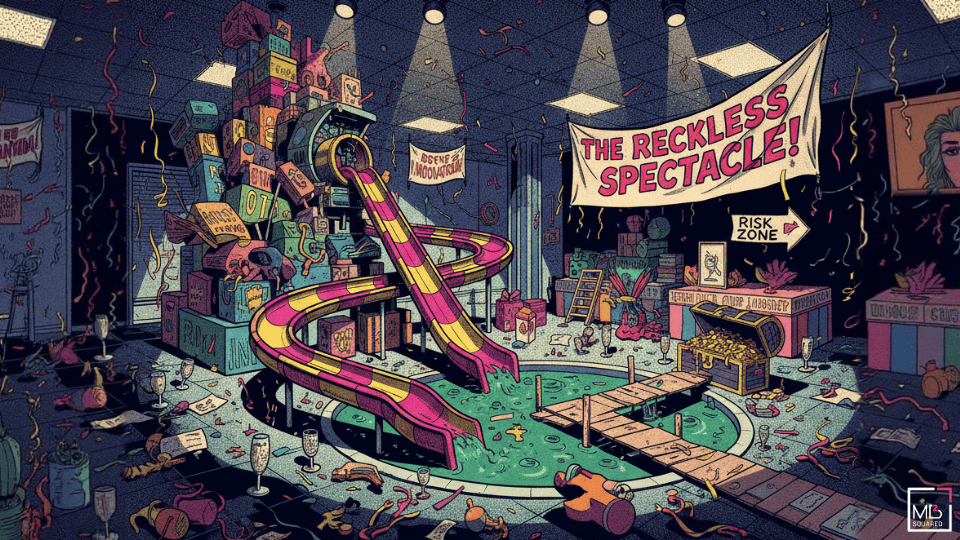
To understand where we are, we must first look at where we came from. The corporate holiday party of the 1980s and 1990s was not subtle; it was an extravagant, unapologetic display of prosperity, fuelled by a “greed is good” ethos and minimal HR oversight.
The “Wow” Factor and Uncontrolled Budgets
In this era, companies saw the annual party as a key operational perk and a blatant indicator of success.
- Theatrical Entertainment: The goal was spectacle. One might recall an event where guests entered via a giant slide—an image that perfectly captures the sense of reckless, high-budget, anything-goes fun that defined the era. This entertainment often prioritised novelty and risk over safety.
- The Absence of Accountability: The single biggest differentiator was the lack of accountability. This was the pre-digital era. The unspoken agreement was that “what happens at the party, stays at the party.” This zero-oversight environment was, in hindsight, a toxic breeding ground for misconduct. Inappropriate advances, verbal harassment, and public intoxication were often dismissed as simple “Christmas cheer” that would be forgotten by the New Year.
2. The Legal Hangover: The Death of the 'Law-Free Zone'
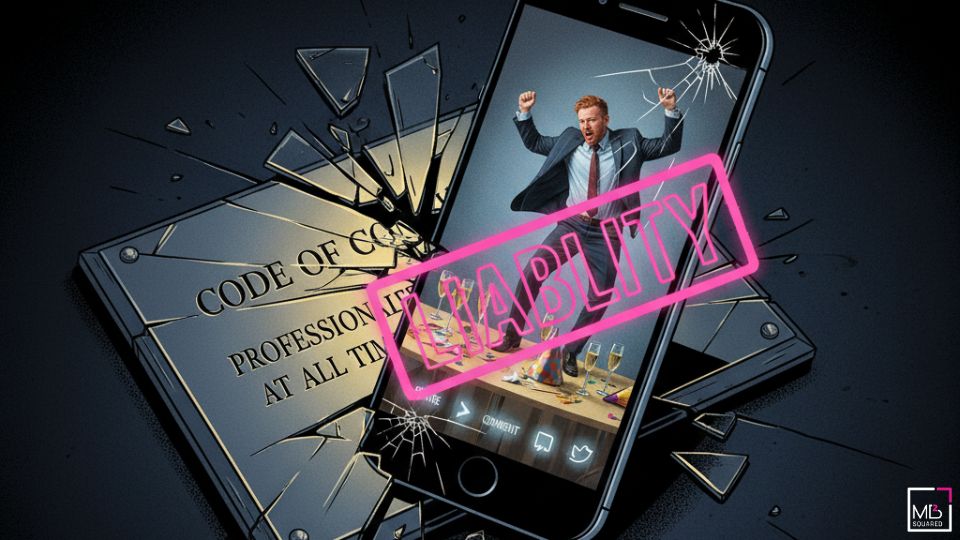
The shift to risk-averse events isn’t corporate prudishness; it’s a necessary defence against crippling legal exposure. The defining legal principle that dismantled the old party model is that an official, employer-sponsored Christmas party is legally considered an extension of the workplace. This single interpretation places an enormous Duty of Care on the employer.
Vicarious Liability: The Employer Pays for Employee Misconduct
Vicarious liability is the legal doctrine that holds an employer responsible for the unlawful acts of their employees if those acts are committed “in the course of employment.”
“What employers often don’t realise is that even if the event is held off site outside of working hours, the conduct of employees at the Christmas party is generally considered, from a legal standpoint, to be done ‘in the course of employment,’ with you the employer vicariously liable.”
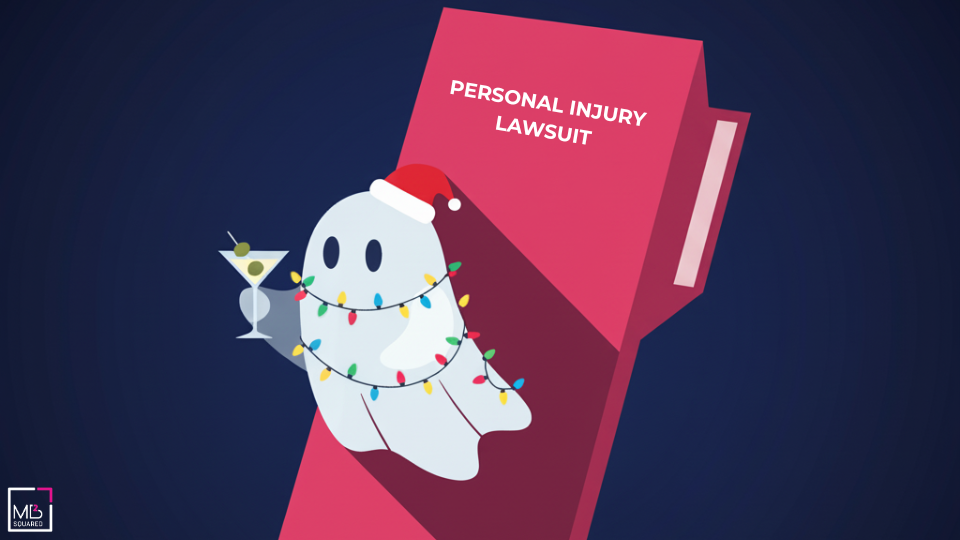
- Harassment Claims: The combination of lowered inhibitions and a relaxed setting is a perfect storm for sexual harassment, bullying, or discrimination claims. If a drunken employee makes an inappropriate comment or advance, the victim can sue the company.
- Injury and Negligence: The duty to provide a safe working environment is paramount. This means the company is liable for injuries sustained due to poorly managed risks (like an ill-advised giant slide) or an accident involving an intoxicated employee who was still being served alcohol.
The Social Media Trap and Reputational Risk
The rise of universal social media access sealed the fate of the old party model. The “what happens at the party stays at the party” rule is extinct.
“A brand for a company is like a reputation for a person. You earn reputation by trying to do hard things well.”
A single photo or video of a senior manager behaving inappropriately can go viral instantly, causing irreparable damage to the company’s corporate reputation and brand value. The legal cost of fighting a lawsuit is compounded by the PR crisis.
The Positive Duty of Care
Modern legislation has placed a positive duty on employers to proactively prevent misconduct. This mandates:
- Controlled Alcohol: Limiting service or using drink tokens.
- Clear Communication: Issuing pre-party memos about strict adherence to the code of conduct.
- Risk Mitigation: Ensuring every element of the event—especially entertainment—is assessed for foreseeable risk. The giant slide is simply not justifiable.
3. The New Balance: Purpose, Experience, and Inclusivity
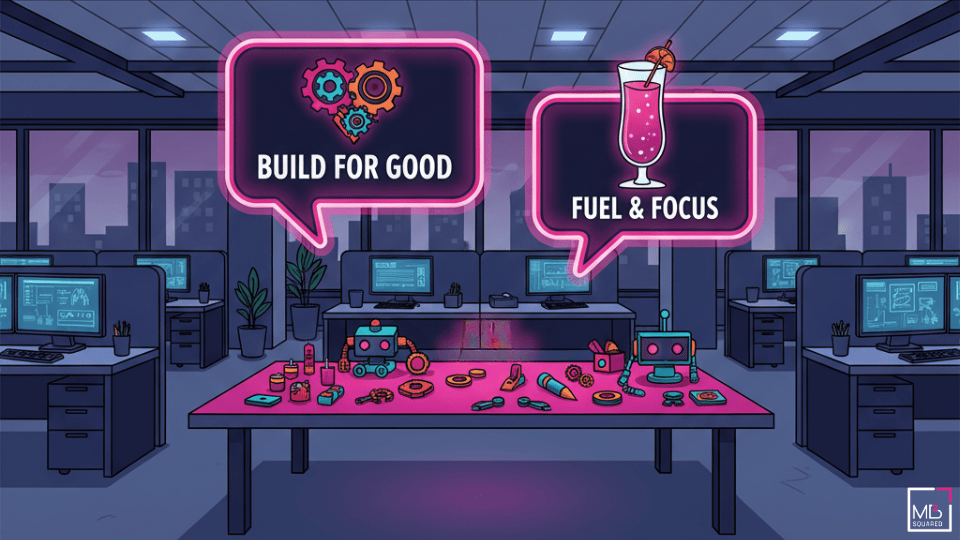
The result of this legal and cultural clean-up is not a joyless affair, but rather a profound shift in focus: from intoxication to interaction, and from extravagance to ethics. The modern party is a strategic investment in culture.
The Economics and Psychology of Purpose
Companies now leverage Corporate Social Responsibility (CSR) by embracing the “purpose-driven” event.
“Purpose-driven organisations bound by values are stronger than profit-driven organisations bound by rules.”
- Value Alignment: Funds are shifted away from high-risk elements toward a local charity. This creates a powerful sense of shared purpose that boosts morale and engagement.
- PR and Talent Retention: Charitable initiatives offer fantastic PR opportunities and are a powerful tool for attracting and retaining top talent who value ethical employers.
- Experiential Events: Planners now focus on creating engaging, immersive experiences that rely on active participation, not passive drinking. Collaborative activities like themed murder mysteries, escape rooms, or competitive cooking classes replace the need for pure spectacle.
The Power of Inclusion
The modern party is far more mindful of inclusivity.
- Non-Alcoholic Sophistication: High-quality mocktail bars, craft non-alcoholic beers, and sophisticated non-alcoholic options ensure that non-drinkers feel just as valued.
- Neutral Naming: Events are often named “End-of-Year Celebration” or “Annual Appreciation Gala” to focus on collective corporate achievements, respecting a multi-faith workforce.
4. Planning the Festive Future: A Modern Planner’s Guide
Planning the modern celebration is an exercise in strategic project management, risk mitigation, and cultural alignment.
- Strategic Budgeting: Move funds away from high-risk elements (open bars, overly elaborate transport) and toward high-engagement, low-risk activities and charitable contributions. Always allocate a 10-15% contingency fund.
- Timing and Venue Selection: Secure venues 6-9 months in advance. Prioritise accessibility and convenient public transport access. Consider a sophisticated daytime event to reduce intoxication risk and improve inclusivity.
- Communication and Conduct: The pre-event memo is non-negotiable. Clearly state the official end time of the event and clarify that any subsequent gathering is entirely unaffiliated with the company, limiting liability for after-parties.
- Vendor and Risk Management: Professional event planners are experts in risk assessment and possess networks of reputable, fully insured vendors who comply with all responsible service of alcohol (RSA) laws. A dedicated, sober planner to oversee the event ensures swift and discreet intervention.
The corporate Christmas party is evolving, and while the ghosts of slides and open bars may linger, the future is bright, ethical, and built on meaningful connection.

Elevate Your Event Strategy: Unlock Our Free Guide
The blog you just read exposes a critical truth: the modern corporate celebration is a high-stakes investment governed by legal liability and the Duty of Care. Success isn’t about luck; it’s about strategic risk mitigation.
Want to ensure your celebratory investment is not only fun but also legally defensible? We’ve got you covered.
Our in-depth guide, “From In-House to Outsource: A Corporate Professional’s Guide to Strategic Event Partnerships,” goes far beyond the basics of the RFP. This resource will give you insider knowledge on how to select a strategic event partner capable of:
- Mitigating Risk: Vetting partners for their expertise in crisis management and compliance, ensuring they can handle the Duty of Care.
- Demanding Transparency: Uncovering hidden fees, markups, and commissions that can destabilize your strategic budget.
- Assessing Cultural Fit: Ensuring your partner possesses the communication and professionalism to protect your brand reputation during high-stakes events.
Uncovering these crucial elements turns a good event into a showstopper that aligns with your legal and cultural objectives. Download the guide today to ensure success and protect your professional reputation.

FAQs
Is the Christmas party legally considered ‘work’? Yes. Courts generally view an official, employer-sponsored Christmas party as an extension of the workplace, meaning the employer’s legal duty of care and conduct policies still apply.
How can we reduce our legal liability? The best steps are: 1) Sending a pre-event memo about conduct policies, 2) Limiting or controlling alcohol service (e.g., drink tokens), 3) Providing safe transport options (e.g., taxi vouchers), and 4) Appointing sober managers to monitor.
Should we invite partners/spouses? Inviting partners is a good way to reinforce a positive, family-friendly culture. It can also subtly encourage more responsible behaviour among employees, as people tend to be more reserved when their partner is present.
What is a successful ‘charitable’ element? Success is measured by engagement. Ideas include: a “gift-building” challenge (bikes for kids/kennels for animals), a portion of the budget donated to a cause chosen by employees, or a formal charity raffle. This provides meaning and a positive PR story.
When is the best time to start planning? For a corporate Christmas party, start planning at least 6 to 9 months in advance. Venues, caterers, and high-quality entertainment book out quickly for November and December.