
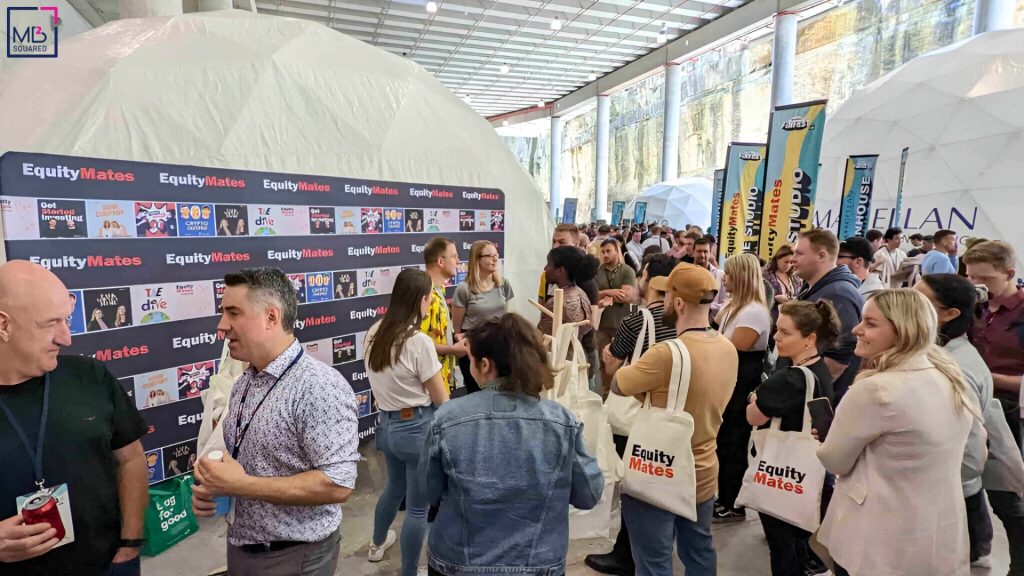
As event planners, ensuring the safety and smooth experience of attendees is a paramount responsibility, regardless of event size. Unfortunately, many corporate events are executed with little to no attention to delegate flow or crowd management. My event is in a built for purpose venue – what can go wrong? Won’t the venue look after that? Wake up!
This isn’t just another box to tick; it’s a critical duty for every professional conference organiser (PCO), event manager, planner, coordinator, or producer. Neglecting crowd dynamics in your planning is a serious oversight, no matter your title or industry you work within.
Not only is it a safety issue but it will also have serious repercussions on the success of your event. No matter how amazing the AV set-up, how gorgeous the styling or how drool worthy the food – if your delegates have to wait in line ANYWHERE, get crammed into a small space, miss the start of a keynote, can’t easily locate a sponsor’s booth, or wait in line for an experience only to be turned away – no one will hear about it or care. All you or anyone will hear about is complaints from now disengaged attendees.
“Effective crowd management is crucial not just for safety but also for enhancing the overall event experience. Proper planning and crowd flow strategies can significantly impact the success of an event.” — Dr. Keith Still, Event Industry News
We are not saying an accreditation in Crowd Science is essential for all corporate event planners. We are, however, saying that including the basic principles of Crowd Science aka crowd dynamics and flow (crowd management) should be a standard inclusion in all event operational plans and listed in your event planner’s scope of works.
So what should you be looking at to assist your planning:
The Importance of Understanding Your Audience
When it comes to crowd dynamics, providing a simple attendance number is insufficient. Understanding your audience is crucial. Are you hosting a corporate event, a family friendly experience, or an event aimed at older adults? Each group exhibits distinct needs and behaviours. As reflected by Professor John Drury in The Crowd Magazine article, when people in a crowd act and react, they do so not only in response to their own beliefs, desires and so on, but also in response to how they are being managed, based on the managers’ ideas about crowd psychology.
Knowing details such as age, ethnicity, language preferences, and any specific triggers—particularly if there’s a high proportion of attendees with known lived experiences—can help you tailor crowd management strategies to enhance safety and overall event experience.
Anticipating Arrival Patterns and Behaviour
The way attendees arrive is another critical factor. Will they queue outside before the doors open, causing a sudden influx, or will they arrive in waves? Planners need to anticipate these patterns and prepare accordingly with sufficient staffing, technology, security and queue infrastructure.
Leveraging Technology for Enhanced Crowd Management
Leveraging technology like in-person event apps can significantly enhance crowd management. In a Cvent blog, John Hunter comments event technology, such as event apps and digital signage, plays a crucial role in managing crowds by facilitating clear and instant communication. Using event apps with geotagged push notifications helps keep attendees informed about critical updates, venue maps, and emergency alerts, enhancing overall safety and crowd control.
Utilising functionality such as real-time updates, interactive maps and push notifications, organisers are able to guide attendees efficiently reducing the likelihood of congestion and confusion. Integrating these technologies into your event planning not only enhances the attendee experience but also helps proactively address potential crowd management issues.
Program Design and Session Transitions for Smooth Event Flow
Designing an event program requires meticulous attention to crowd management, especially when transitioning between venues or sessions. It’s essential to factor in the time needed for delegates to move from one location to another, ensuring there are sufficient doors and access points to avoid bottlenecks. Staffing should be strategically positioned to guide attendees efficiently and manage flow, particularly during critical transitions such as moving from a networking break to a plenary session or workshop.
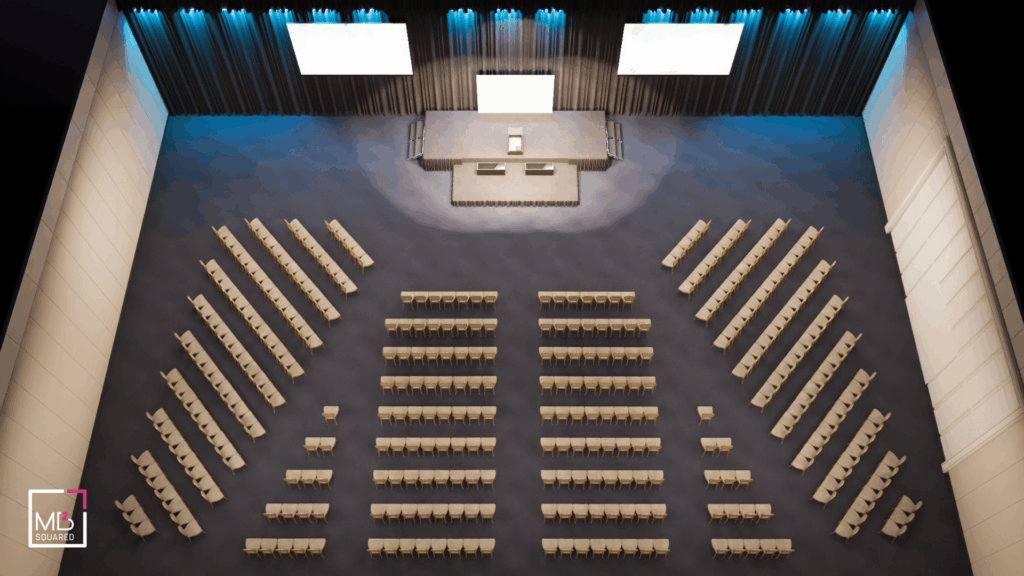
Considerations should also extend to room setups and seating arrangements. For non-assigned seating events, it’s crucial to ensure delegates can quickly and easily find available seats. Asking delegates politely to fill from the front is not enough – utilise ushers to control seating especially for a fully subscribed event. During transitions, such as from a catering break back into plenary, the availability of amenities like bathrooms and coffee hubs can influence attendee behaviour. People may prioritise queuing for coffee over attending the start of a session. Planning how to capture their attention and motivate them to move is vital.
Effective crowd management not only enhances safety but also ensures a seamless experience, maintaining engagement and satisfaction throughout the event.
Strategic Delegate Flow: Maximising Sponsor Benefits and Ensuring Safety
Strategic delegate flow is pivotal in meeting sponsors’ expectations of foot traffic and engagement. Applying the principles of IKEA’s store planning psychology to event design can provide valuable insights into creating pathways that maximise exposure while maintaining safety.
IKEA stores are designed to guide customers through a predetermined path, ensuring they encounter numerous products and displays. This concept can be translated into event planning by designing attendee routes that lead them past sponsor booths and activation areas. By controlling the flow of delegates, event planners can deliver the promised foot traffic to sponsors, enhancing their return on investment.
Incorporating marketing values into this design is equally important. Creating visually appealing and engaging pathways can draw attendees’ attention and encourage interaction with sponsor exhibits. This not only fulfills the sponsors’ marketing objectives but also enriches the overall attendee experience.
Safety remains a critical consideration in strategic delegate flow. By designing clear, unobstructed pathways and strategically placing staff for wayfinding, planners can ensure smooth transitions between event zones.
Ultimately, strategic delegate flow that balances sponsor needs, marketing values, and safety considerations can transform an event into a seamless, profitable experience for all stakeholders.
Designing Activations with Crowd Flow in Mind
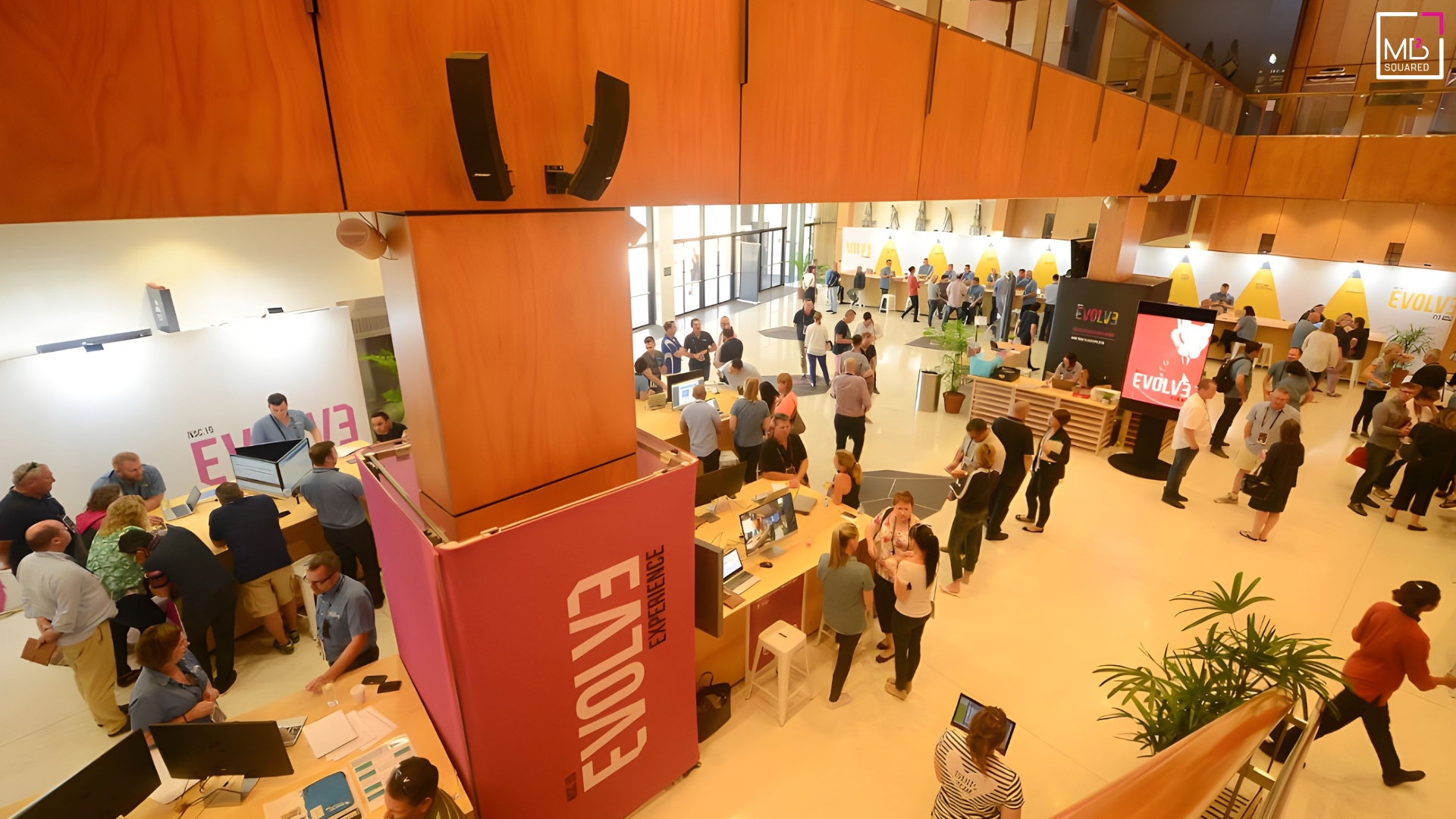
Effective crowd management goes beyond mere safety; it enhances the overall event experience. When designing an activation, consider how many attendees can engage with various elements simultaneously.
Creating multiple engagement points prevents guests from feeling rushed and allows them to enjoy the experience at their own pace. This approach not only improves attendee satisfaction but also helps in managing crowd flow more effectively.
Maximising Financial Profitability
“The impact of poor crowd management extends beyond safety risks; it can lead to operational inefficiencies and financial losses. Effective crowd management is a key factor in successful event execution.” — Professor Peter Marshall, Safety and Security Journal
A crowd dynamics assessment and decisions made during the design stage of an event—such as determining venue capacity, implementing ticketing systems, and planning crowd routing—can have a substantial impact on the event’s financial outcomes.
Properly assessing venue capacity ensures you avoid costly issues like overcrowding, which can lead to fines and damage to your reputation, or under-crowding, which can reduce potential revenue from ticket sales and sponsorships. Efficient ticketing systems streamline entry and exit processes, minimising delays and operational inefficiencies that can result in additional costs. Strategic planning of crowd routing reduces the likelihood of bottlenecks and congestion, which can otherwise necessitate last-minute adjustments and additional staffing costs.
By leveraging principles from crowd dynamics in these early-stage decisions, you can optimise resource allocation, reduce unnecessary expenses, and ultimately maximise profitability. Investing in thorough planning and understanding of crowd behaviour not only prevents costly disruptions but also enhances the overall efficiency of the event, translating into significant financial benefits for the organisers.
Addressing Protests and Controversies
In a climate where social and political issues can impact events, it’s crucial to anticipate and plan for potential crowd protests. If your client has been involved in controversial decisions or made unpopular comments, proactive management is essential. Develop strategies for handling protest crowds and other disruptions, ensuring you have contingency plans in place to maintain order and safety. This preparation can mitigate potential disruptions and safeguard the event’s success.
The Necessity of Crowd Dynamics in Event Planning
Professor Keith Still emphasises in his book called “Introduction to Crowd Science” that anyone responsible for safety in any public area must apply principles from the field of crowd science. This is undeniable. Crowd safety is central to event planning and involves careful consideration when choosing, designing, and assessing the safety of an event location. Whether in a private or public role, understanding the risks and how to manage them is crucial for effective crowd safety and overall event success.
Conclusion
Event planners must prioritise crowd safety and effective delegate flow. It’s not just about fulfilling a duty; it’s about creating events that run smoothly, satisfy attendees, and deliver value to sponsors. By applying the basics of crowd science to corporate event planning, you can transform your events from chaotic to cohesive, ensuring safety and enhancing the overall experience for everyone involved.
Event Planners – add crowd management to your Scope of Works as an essential non negotiable operational plan.
Clients – insist on a crowd management plan for your next event.
Neglecting crowd management is not an option.
FAQs
Why is crowd management important in event planning?
Crowd management ensures the safety and smooth experience of attendees, regardless of the event size. It is crucial for preventing accidents, managing flow, and enhancing overall event success. Effective crowd management minimizes risks, maintains attendee satisfaction, and ensures that sponsors receive the promised benefits from foot traffic.
My event is in a purpose-built venue. Won’t the venue handle crowd management?
While purpose-built venues have some crowd management measures, the responsibility ultimately lies with the event planner. It’s essential to tailor crowd management strategies to the specific needs and behaviors of your audience to ensure a safe and successful event.
How can understanding audience demographics improve crowd management?
Knowing your audience’s age, ethnicity, language preferences, and specific needs allows you to create tailored crowd management strategies. This understanding helps in anticipating behaviours, addressing triggers, and enhancing the overall event experience.
What role does technology play in crowd management?
Event technology, such as apps with geotagged push notifications and digital signage, enhances crowd management by providing real-time updates, interactive maps, and emergency alerts. This technology helps keep attendees informed and directs their movement efficiently, reducing congestion and confusion.
How can I ensure smooth transitions between different event segments?
Design your event program with crowd flow in mind. Plan sufficient time for transitions, ensure multiple access points, and strategically place staff for wayfinding. Consider room setups and seating arrangements to facilitate easy navigation and minimise bottlenecks.
How does strategic delegate flow benefit sponsors?
Strategic delegate flow ensures that attendees pass by sponsor booths and activation areas, maximising exposure and engagement. This approach enhances the return on investment for sponsors by delivering the promised foot traffic and interaction.
What are the financial benefits of effective crowd management?
Effective crowd management reduces the risk of fines, minimises operational inefficiencies, and prevents costly last-minute adjustments. By optimising resource allocation and ensuring smooth flow, event planners can significantly enhance profitability.
How should I address potential protests or controversies at my event?
Anticipate potential disruptions by developing strategies for handling protest crowds and other disruptions. Have contingency plans in place to maintain order and safety, ensuring the event runs smoothly despite any unforeseen issues.