
In the high-stakes world of corporate event management, robust reporting isn’t just a tool—it’s a strategic asset. Advanced event reporting offers a nuanced view that goes far beyond attendance numbers and budget tracking. It provides a critical lens through which to view the effectiveness of strategic decisions, optimise resource allocation, and drive future innovations. This blog delves into the advanced approaches to event reporting that can elevate your strategic planning and execution.
Beyond Basic Metrics: The Power of Advanced Event Reporting
While traditional metrics like attendance rates, budget compliance, and basic attendee feedback provide a foundational understanding, advanced event reporting offers a deeper, more strategic perspective. Here’s how:
Comprehensive Data Integration
- Holistic View: Integrate data from multiple sources such as CRM systems, social media analytics, and onsite engagement tools. This integration provides a 360-degree view of attendee behaviour and event impact.
- Behavioural Insights: Analyse patterns in attendee behaviour, such as engagement levels at different sessions, movement patterns through the venue, and interaction with sponsors. These insights help tailor future events to meet audience needs more precisely.
Predictive Analytics
- Forecasting Trends: Utilise predictive analytics to forecast attendance, engagement levels, and even potential risks. Predictive models can help anticipate attendee preferences and behaviours, allowing for proactive adjustments in event planning.
- Resource Optimisation: Predict which areas of the event will require more resources, such as staffing or technological support, to ensure smooth operations and enhance the attendee experience.
AI-Driven Insights
- Personalisation at Scale: Leverage AI to deliver personalised experiences to attendees. AI can analyse data in real-time to provide personalised recommendations for sessions, networking opportunities, and exhibitor interactions.
- Real-Time Adjustments: AI tools can provide real-time insights into attendee engagement and satisfaction, enabling immediate adjustments to improve the event experience.
Interested in how AI is also transforming ticketing and registration? Click here to read more about The Role of AI and Machine Learning in Event Ticketing Systems and Registration Platforms and discover how these technologies are reshaping the way we manage events.
Advanced Strategies for Capturing Delegate Insights
In the evolving landscape of event management, traditional surveys no longer provide the strategic depth needed to truly understand attendee experiences. Advanced methods such as interactive kiosks, real-time polls, and gamified feedback systems now lead the way, offering more dynamic and immediate insights. Interactive kiosks at strategic locations capture attendees’ immediate reactions and emotions. Real-time polls during sessions provide instant data on engagement and preferences, allowing for timely adjustments. Gamified feedback systems, incorporating elements of fun and competition, significantly boost participation rates and the honesty of responses. Leveraging these innovative feedback mechanisms allows event planners to gather richer, more actionable insights, driving strategic decision-making and continuously optimising event outcomes. Strategic decisions now require these advanced tools to truly manipulate and understand the attendee experience, far surpassing what traditional surveys can achieve.
“There are always new insights to learn, and when data is collected, the process should be broad so the results are not influenced and truths are revealed.” — Audrey Hametner
Financial Impact of Advanced Reporting

Advanced event reporting isn’t just about enhancing the attendee experience; it also has a significant financial impact. Here’s how it can transform your budgeting and revenue strategies:
Identifying Revenue Opportunities
- Targeted Sponsorship Packages: Use detailed attendee data to create highly targeted sponsorship packages. By understanding attendee demographics and behaviour, you can offer sponsors more value, leading to higher sponsorship revenues.
- Dynamic Pricing Models: Implement dynamic pricing models for ticket sales based on predictive analytics. This approach can maximise ticket revenue by adjusting prices based on demand forecasts.
Cost Management and Efficiency
- Resource Allocation: Advanced event reporting helps in identifying under-utilised resources and reallocating them to high-impact areas. This ensures efficient use of budget and maximises ROI.
- Vendor Performance Analysis: Detailed reporting on vendor performance can highlight areas of overspending and inefficiency, allowing for renegotiation of contracts and better vendor management.
Strategic Decision-Making with Advanced Reporting
The ultimate value of advanced event reporting lies in its ability to inform strategic decision-making:
Stakeholder Engagement
- Tailored Reports: Generate tailored reports for different stakeholders, such as sponsors, senior management, and collaborators. These reports should highlight metrics and insights relevant to each group, ensuring they see the value of their investment and engagement.
- Transparent Communication: Use data-driven insights to communicate transparently with stakeholders about the event’s success and areas for improvement, building trust and long-term relationships.
Long-Term Strategic Planning
- Historical Data Analysis: Analyse historical event data to identify long-term trends and patterns. This analysis can inform strategic decisions about future event planning, marketing strategies, and investment areas.
- Continuous Improvement: Implement a continuous feedback loop where data from each event is used to refine and improve future events. This approach ensures that each event builds on the success of previous ones, driving continuous improvement.
Implementing Advanced Reporting Mechanisms
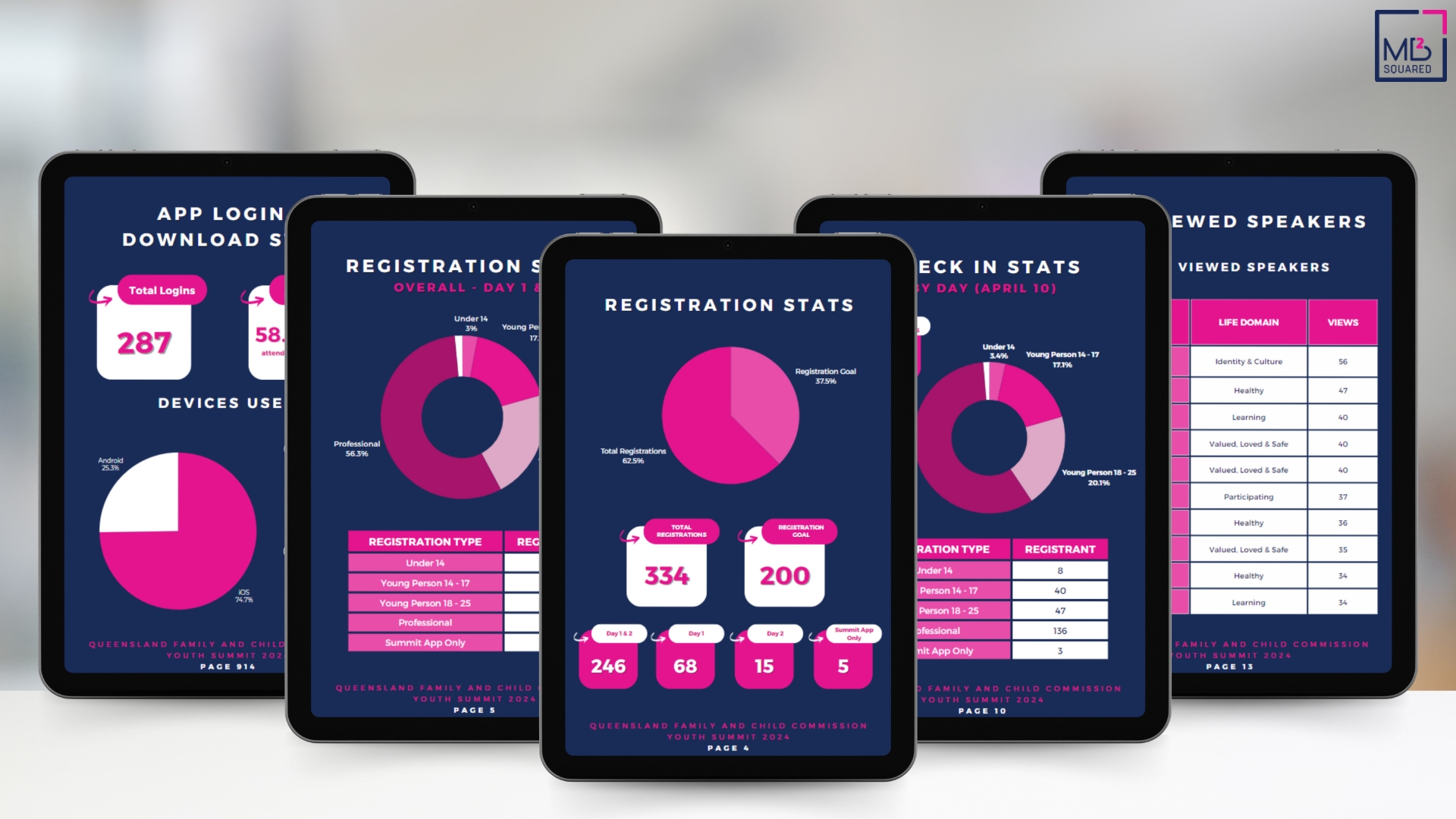
To harness the full potential of advanced event reporting, businesses must invest in the right tools and technologies:
Integrated Event Management Platforms
- All-In-One Solutions: Use integrated event management platforms that combine registration, engagement tracking, and reporting. These platforms streamline data collection and analysis, providing comprehensive insights.
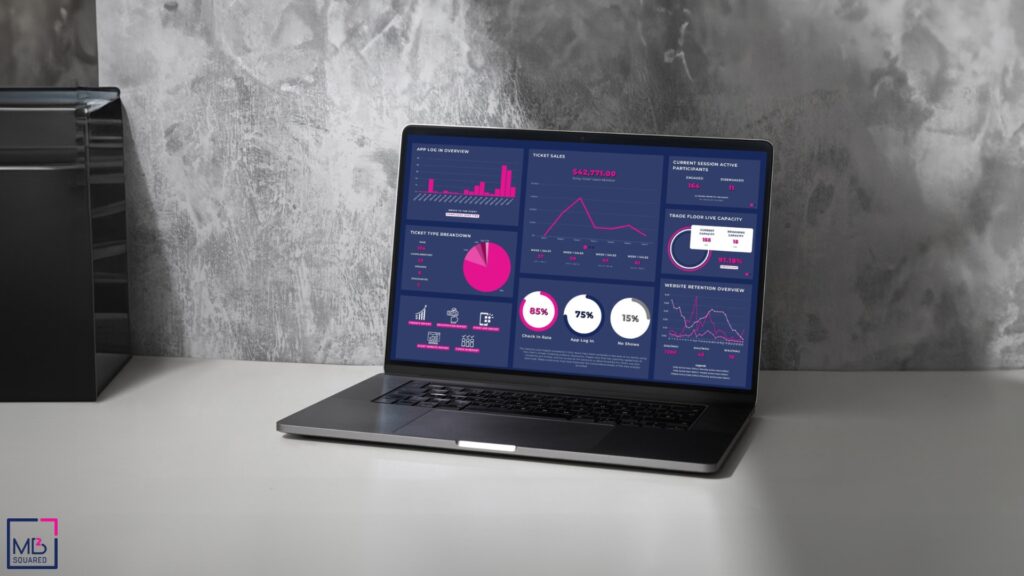
- Real-Time Dashboards: Implement real-time dashboards that provide instant access to key metrics and insights. This enables immediate decision-making and rapid response to emerging issues.
AI and Machine Learning Tools
- Predictive Analytics Software: As defined by the Harvard Business School, predictive analytics is the use of data to predict future trends and events. It uses historical data to forecast potential scenarios that can help drive strategic decisions. By investing in predictive analytics software, event planners can analyse large datasets and provide actionable insights. These tools help anticipate trends and optimise event planning.
- AI-Powered Personalisation: Use AI-powered tools to personalise attendee experiences and provide targeted recommendations. This enhances engagement and satisfaction, leading to better overall event outcomes.
Curious about how AI and machine learning are revolutionising ticketing and registration? Explore our blog on The Role of AI and Machine Learning in Event Ticketing Systems and Registration Platforms to see how these technologies are driving innovation in every aspect of event management.
Tools for Capturing Behavioural Insights
- RFID and NFC Technology: Utilise RFID (Radio-Frequency Identification) and NFC (Near Field Communication) technology to track attendee movements and interactions. These tools provide detailed insights into attendee behaviour, such as session attendance, booth visits, and engagement levels.
- Event Apps with Geolocation: Implement event apps equipped with geolocation features. As explained by Geoapify, geolocation is the process of identifying the location of an object or person using technology such as GPS or IP addresses to identify and track the whereabouts of a device or individual. These apps can track attendee movement and engagement in real time, offering insights into popular sessions, high-traffic areas, and attendee preferences.
- Heat Mapping Software: Use heat mapping software to visualise attendee flow and congregation areas. This data helps in optimising space utilisation and improving crowd management strategies.
- Engagement Analytics Platforms: Deploy platforms that track attendee engagement across various touchpoints, including social media interactions, app usage, and session participation. These platforms provide a comprehensive view of how attendees engage with different aspects of the event.
Conclusion
In conclusion, advanced event reporting is a critical strategic tool. By moving beyond basic metrics and leveraging comprehensive data integration, predictive analytics, and AI-driven insights, businesses can transform their event planning and execution. This approach not only enhances the attendee experience but also drives financial efficiency, stakeholder engagement, and long-term strategic success. Investing in advanced reporting mechanisms is not just an option; it’s a strategic imperative for any business looking to stay ahead in the competitive world of event management.
Elevate Your Event Reporting with MB Squared
At MB Squared, we understand that effective event management goes beyond basic metrics. Our expertise in advanced event reporting transforms data into actionable insights, driving strategic decisions and enhancing event outcomes. From integrating comprehensive data sources to leveraging AI-driven insights and predictive analytics, we equip you with the tools needed to optimise your event planning and execution.
Whether you’re looking to refine your reporting mechanisms, maximise ROI, or create unforgettable attendee experiences, MB Squared offers the strategic support and innovative solutions to make it happen. Contact MB Squared today to learn how our advanced reporting strategies can elevate your events and drive your success in the competitive world of corporate event management.

FAQs
What is advanced event reporting, and how does it differ from traditional event reporting?
Advanced event reporting goes beyond basic metrics like attendance numbers and budget compliance to offer a strategic view of event performance. It integrates data from various sources and employs technologies such as predictive analytics and AI to provide deeper insights into attendee behaviour, engagement, and the overall impact of an event. This allows for more informed decision-making and resource optimization, which traditional reporting methods often miss.
Why are most traditional event reports considered “useless”?
Traditional event reports often focus on surface-level metrics that don’t provide actionable insights. They may include attendance numbers and budget tracking but lack the depth needed to inform strategic decisions. Advanced event reporting, on the other hand, uncovers the underlying patterns and trends that drive event success, allowing for more effective planning and execution.
How does advanced event reporting improve resource allocation?
Advanced event reporting uses predictive analytics to forecast which areas of an event will need more resources, such as staffing or technology support. By understanding attendee behaviour and preferences in advance, planners can allocate resources more efficiently, ensuring smooth operations and an enhanced attendee experience.
What role does AI play in advanced event reporting?
AI plays a crucial role in advanced event reporting by analysing data in real time to provide personalised experiences and immediate insights. For example, AI can recommend sessions and networking opportunities tailored to individual attendees’ interests and monitor engagement levels to make real-time adjustments that improve satisfaction and outcomes.
How can advanced event reporting techniques lead to increased revenue?
Advanced event reporting techniques allow event planners to create highly targeted sponsorship packages and dynamic pricing models. By understanding attendee demographics and behaviour, planners can offer more value to sponsors and adjust ticket prices based on demand forecasts, leading to increased revenue streams.
What are some innovative tools for capturing attendee insights?
Some innovative tools for capturing attendee insights include interactive kiosks, real-time polls, gamified feedback systems, RFID technology, and event apps with geolocation features. These tools provide dynamic feedback and detailed behavioural insights, which help event planners tailor events to better meet attendee needs and preferences.
How can advanced event reporting aid in strategic decision-making?
Advanced event reporting aids in strategic decision-making by providing tailored reports for different stakeholders, offering transparent communication about event success and areas for improvement, and analysing historical data to identify long-term trends. This enables businesses to make informed decisions about future events, marketing strategies, and investment areas.
What are some key technologies used in advanced event reporting?
Key technologies in advanced event reporting include integrated event management platforms, predictive analytics software, AI-powered personalization tools, RFID and NFC technology, and engagement analytics platforms. These tools work together to collect, analyse, and visualise data, providing comprehensive insights that drive strategic event planning and execution.
Why is it important for businesses to invest in advanced reporting mechanisms?
Investing in advanced event reporting mechanisms is essential for businesses looking to stay competitive in the event management industry. These mechanisms provide critical insights that enhance attendee experiences, optimise resource use, increase revenue, and inform long-term strategic planning. In a fast-paced and competitive landscape, advanced reporting is a strategic imperative for continuous improvement and success.
How does advanced event reporting support long-term strategic planning?
Advanced event reporting supports long-term strategic planning by analysing historical event data to identify trends and patterns. This information helps businesses refine their event strategies, marketing efforts, and investment decisions, ensuring continuous improvement and sustained success in future events.